
Introduction
If you’re wondering how to troubleshoot your Surron Light Bee X, this guide is designed to help.
It’s based on information from official manuals, user discussions, and real-world experience.
Effective troubleshooting goes beyond fixing immediate issues—it helps prolong your bike’s life, maintain safety, and improve overall performance.
A 2023 Electric Bike Review survey found that 68% of e-bike owners encounter at least one problem within the first year, yet 85% of these issues can be resolved through preventive maintenance without needing professional service.
Data from Surron forums and Reddit suggest that battery issues make up 40% of reported problems, with electrical issues at 30% and mechanical concerns at 20%.

Understanding Surron & How to Troubleshoot a surron light bee
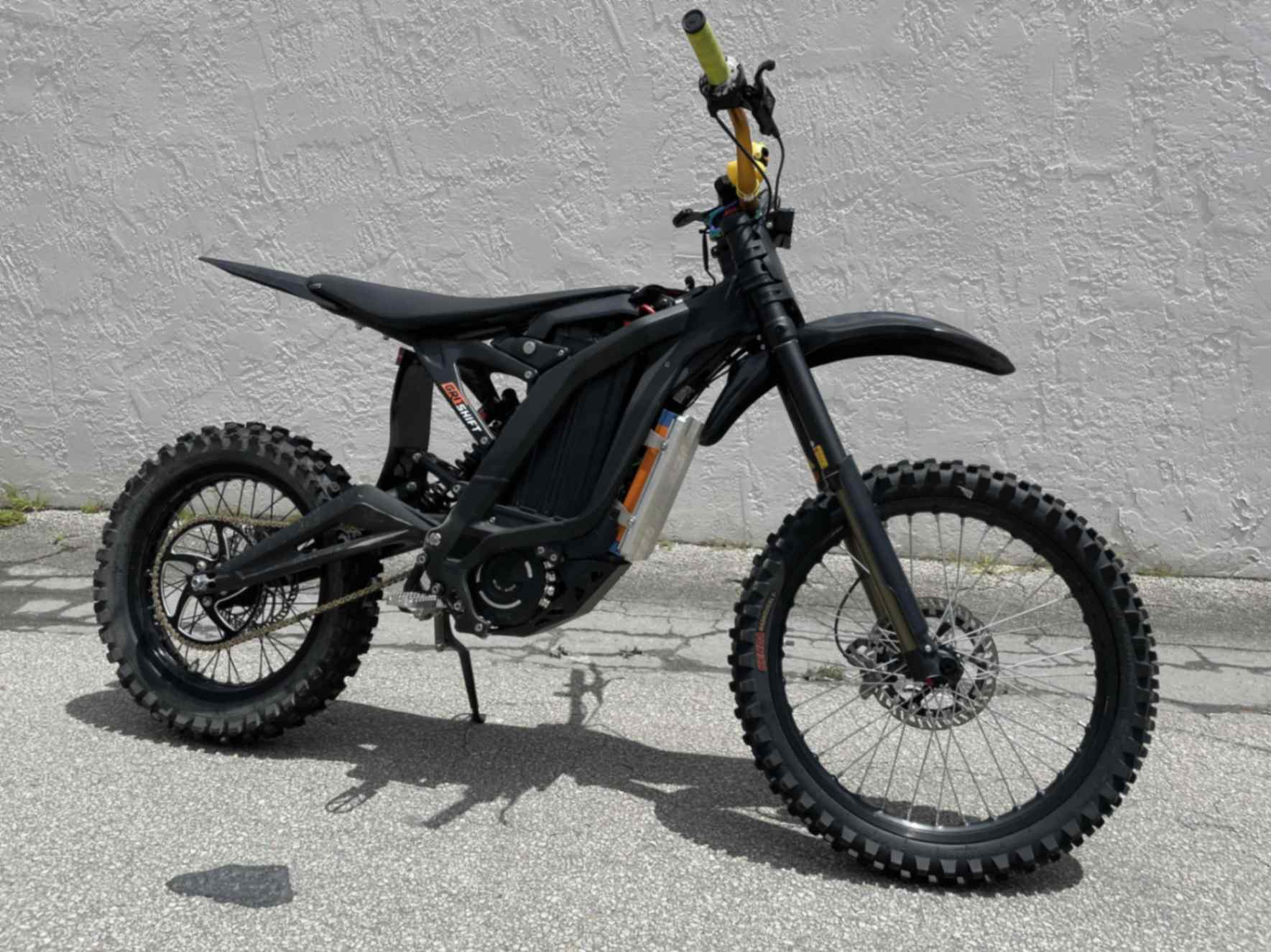
The Sur-Ron Light Bee X has emerged as one of the most widely recognized electric dirt bikes globally. With its lightweight build, robust mid-drive motor, and strong torque delivery, it effectively bridges the gap between a mountain bike and a motocross bike.
how to troubleshoot a surron light bee notable specs include:
– Maximum motor output: 6000W
– Battery: 60V lithium-ion (available in 32–40Ah variants)
– Range: up to 75 km on a single charge
– Charge duration: 2.5 to 3.5 hours
– Maximum incline capability: 45 degrees
These capabilities have helped the Light Bee X build a dedicated following among:
– Off-road riders
– Urban commuters using electric transport
– EV enthusiasts
– Customization and modification communities
Still, like other electric vehicles, the Sur-Ron’s electronic architecture is intricate. Its performance relies on several interconnected systems:
– Battery management system (BMS)
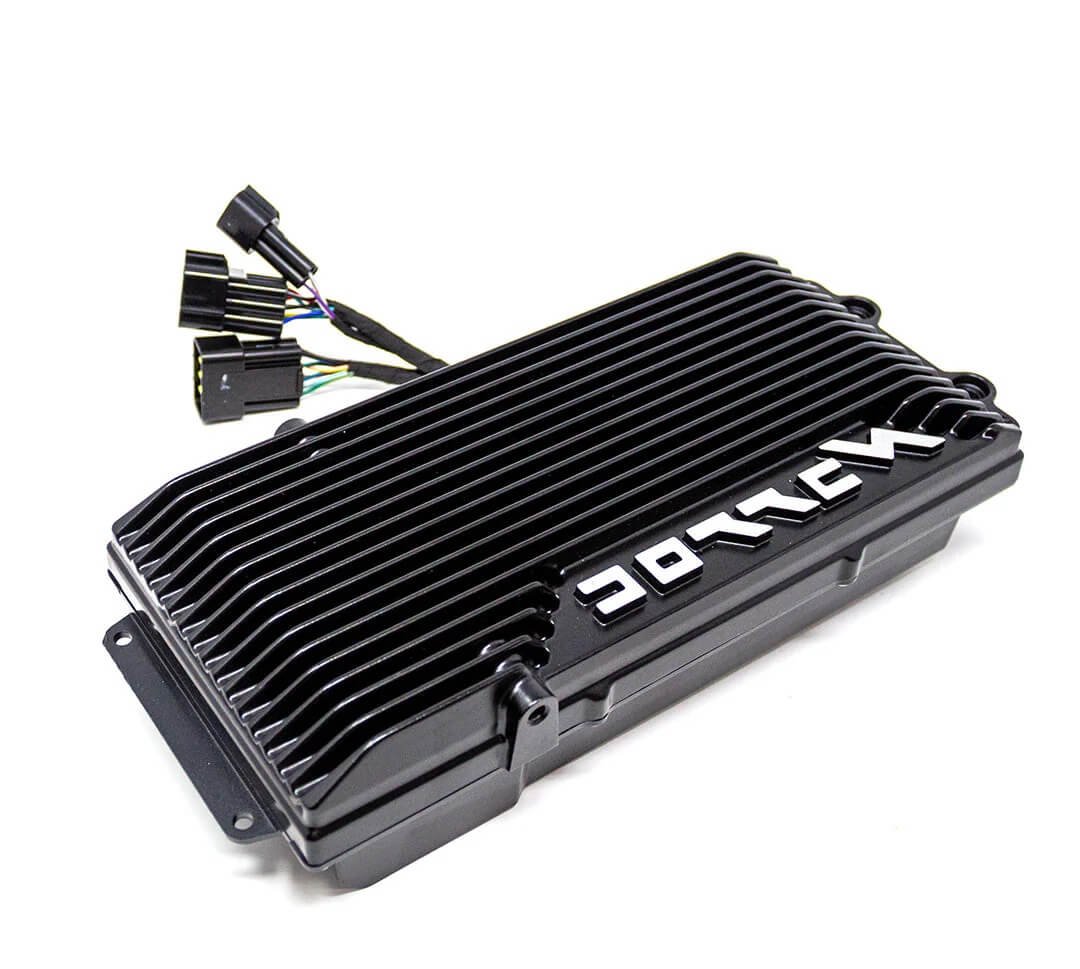
– Motor controller
– Throttle sensors
– Hall sensors
– Safety cutoff switches
– Firmware programming
If any of these components malfunction, the bike may experience problems such as:
– Unresponsive throttle
– Unexpected shutdowns
– Error messages
– Loss of power
– Charging issues
Knowing how to methodically diagnose these issues can help owners avoid costly repairs and prevent unnecessary part replacements.
This guide outlines a professional troubleshooting approach used by seasoned Sur-Ron technicians.
My real-life experience troubleshooting surron bikes
Finding your footing comes first, before any testing begins. A clear picture takes shape only when background knowledge matters are settled.
Few years back, Sur-Ron motorcycles began forming a setup much like what you see with electric skateboards or e-MTBs. Upgrades pop up often – riders swap out parts regularly, swapping one piece after another. Some change controllers just before switching batteries. how to troubleshoot a surron light bee motors get swapped when frames start showing wear. Tires are traded once grip fades under heavy rides. Even display screens find new versions every so often. Each part rolls in at its own pace, never all at once;
-controllers
-batteries
-motors
-throttle assemblies
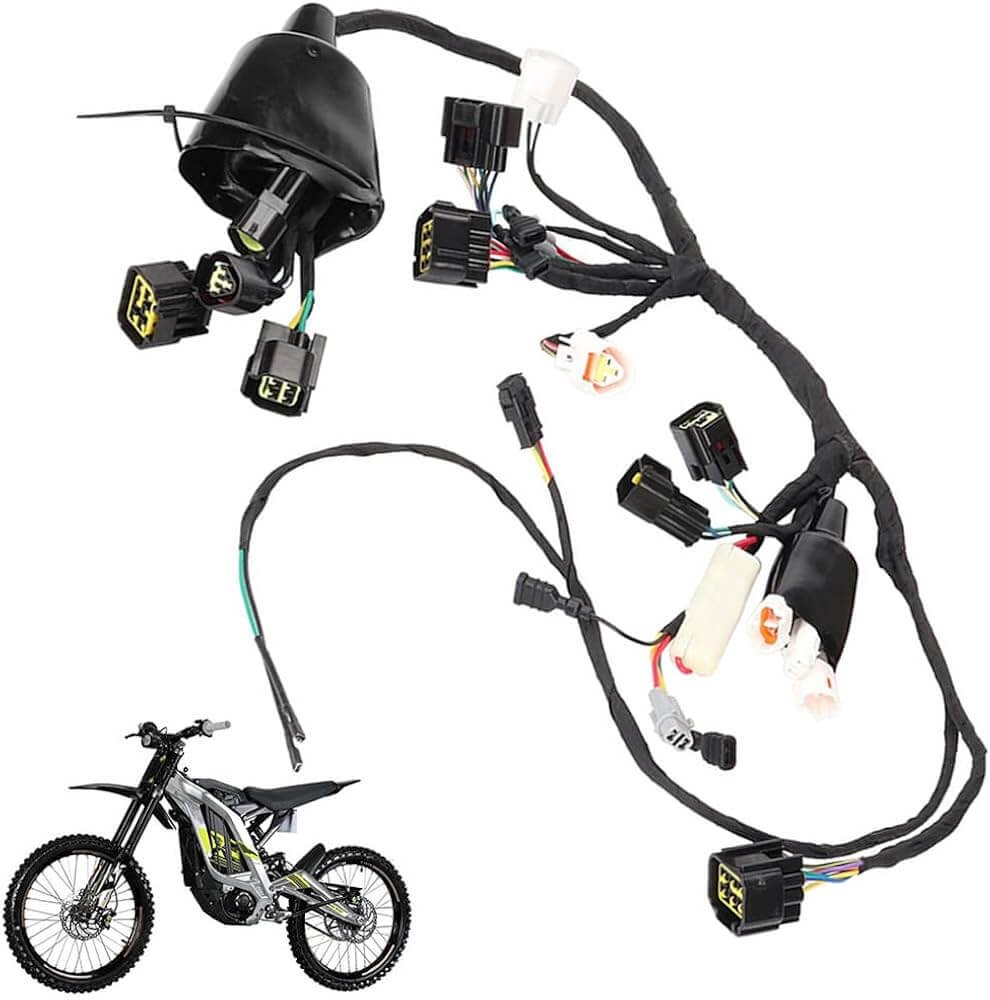
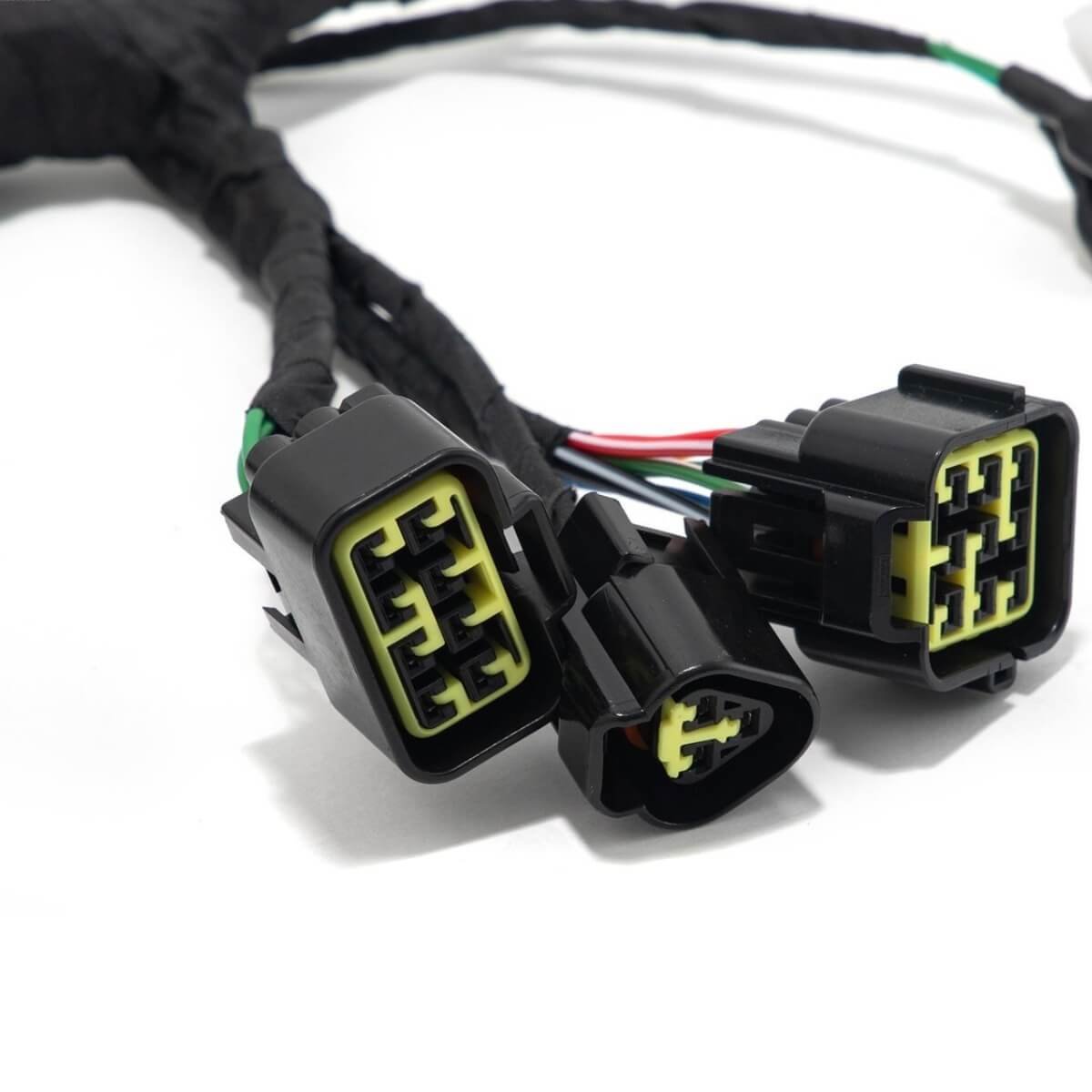
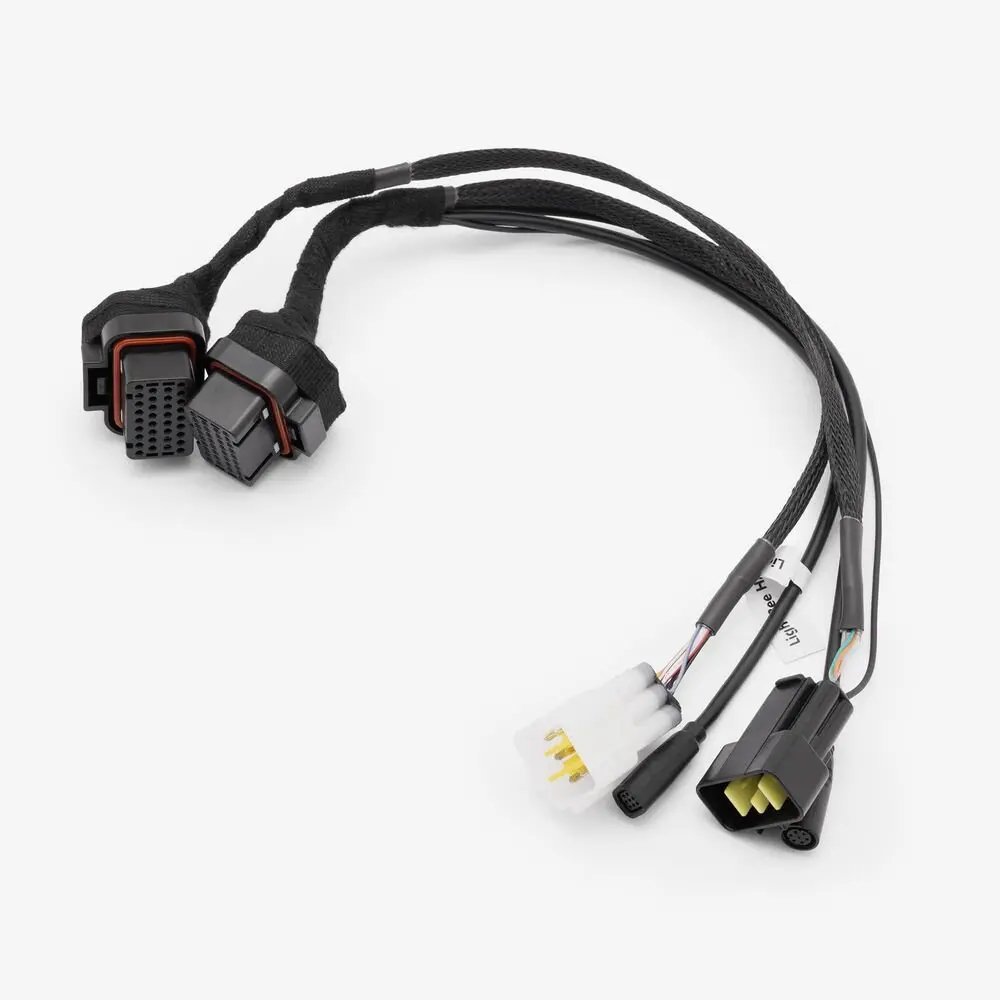
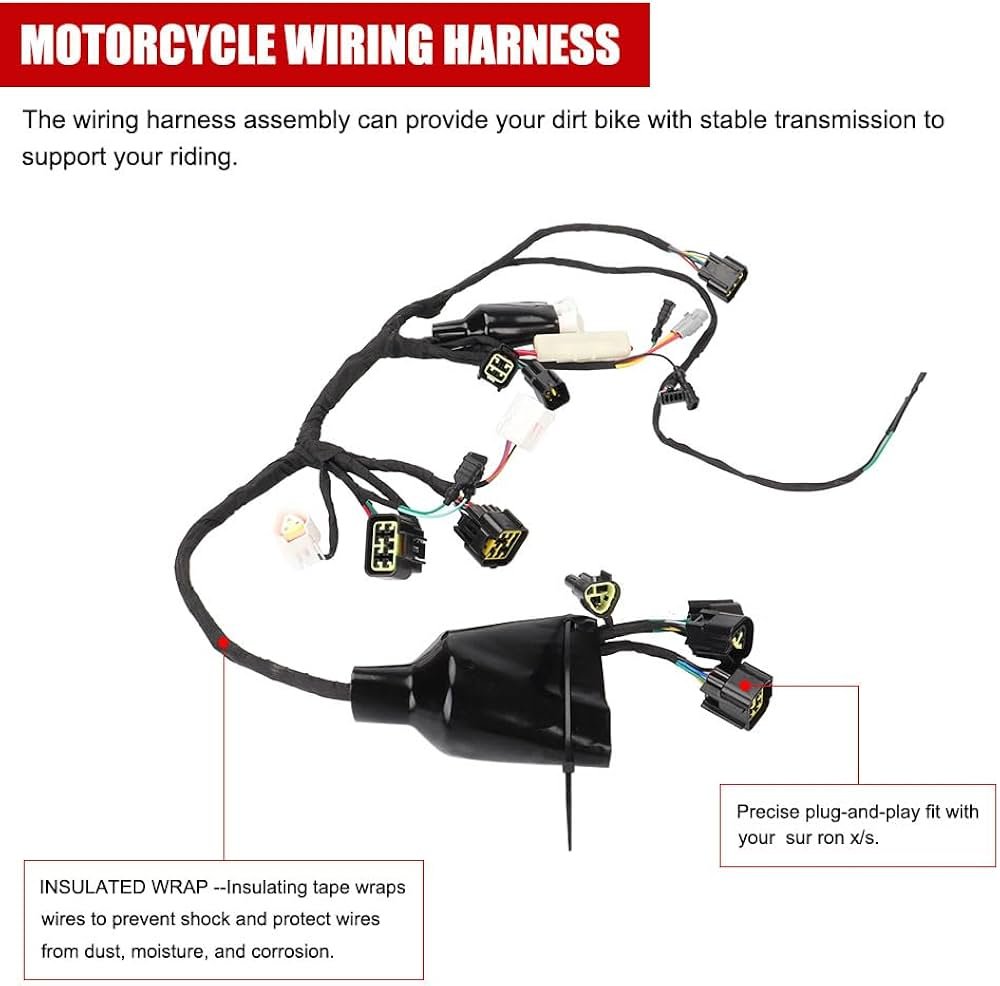
-wiring harnesses
Now that how to troubleshoot a surron light bee changes have been made, fixing problems grabs more talk among Sur-Ron riders than almost anything else.
Folks on biking message boards often mention a quirk – power shows up fine, yet twisting the grip brings nothing from the motor. Sometimes it clicks, sometimes it doesn’t.
One how to troubleshoot a surron light bee rider reported:
Only once tests finished did the real problem show – bad power tube inside the controller. That mix of signals often tricks those who haven’t seen it before.
A signal glitch shows up now and then – code 002 points straight at broken links among battery, control unit, or sensing parts. Most times, snapping those power wires back into place brings everything online again.
Take these cases – they show something worth noting
Faulty signals between parts cause most Sur-Ron troubles – rarely does anything break completely.
Finding your way through issues gets easier once you see how it works. Troubles start making sense when the picture clears up.
How the Surron Electrical System Works
To better troubleshoot a surron, Knowing how the surron electrical system works and the pieces fit together makes fixing them easier. Start by seeing where things connect, then spot what’s off. When you grasp the layout, solutions show up fast. Look at each part like a clue – nothing hidden, just mechanics doing their job. See the whole picture first. That way mistakes stand out clear.
The Sur-ron system consists of five primary subsystems:
-Battery system
-Controller
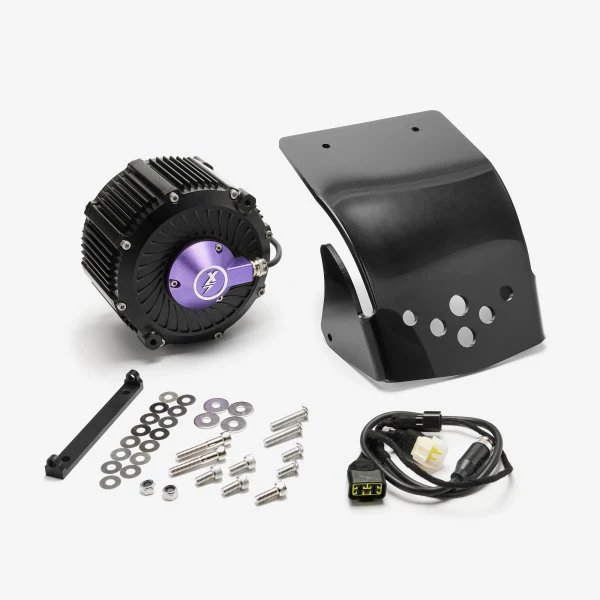
-Motor
-Sensor network
-User interface components
Over time, they adjust how the surron electrical system works, through constant response cycles.
Battery System
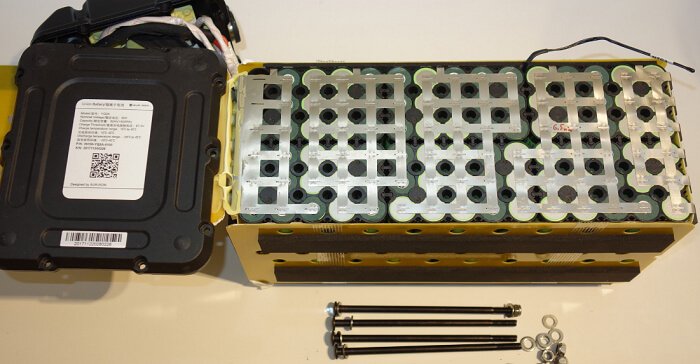
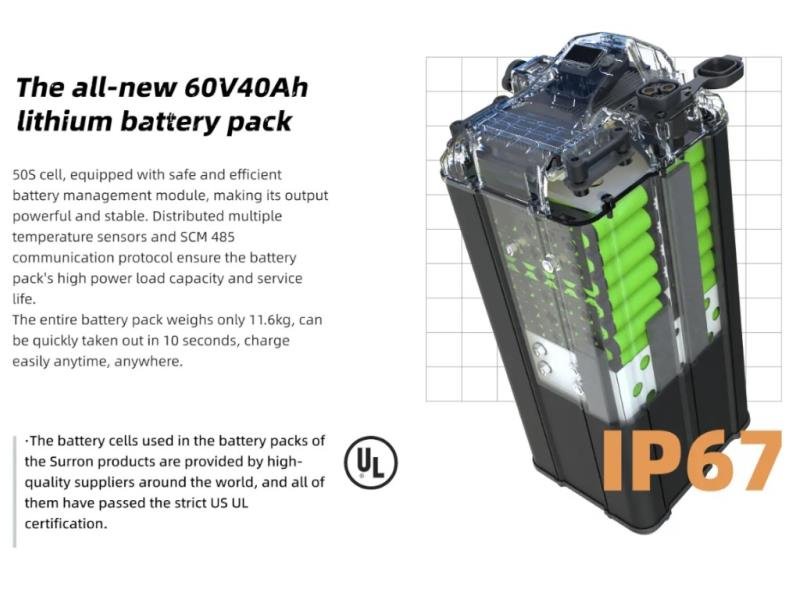
Usually, the Sur-Ron power pack packs 176 lithium-ion units lined up tightly inside. One thing leads to another – the layout helps it store more energy without taking up extra space.
The Battery Includes A Bms That Manages Power And Safety
-Cell balancing
-Over-current protection
-Over-temperature protection
-Voltage monitoring
A single kilogram of today’s lithium power inside Sur-Ron machines holds close to 210 watt-hours. That leap in stored juice easily outshines what past e-motorcycle cells managed.
Yet shutdowns happen when the BMS spots trouble. Still, problems like overheating trigger a stop. Even voltage spikes make the system cut power. Only once faults clear does operation resume. Though small issues arise, safety stays priority
-Voltage spikes
-Short circuits
-Overheating
-Abnormal current draw
Most times people think the surron bike won’t start, but actually the system is just keeping the battery safe.
Motor Controller
Inside the Sur-ron setup, the controller runs everything.
It directs power where needed.
This part decides how fast things move.
Without it, nothing responds.
The whole operation depends on its signals.
Performance shifts happen here first.
Every command flows through this piece.
Power from the battery becomes a spinning flow
of electricity, which runs through the motor in
three waves at once.
This push moves the machine ahead using
balanced pulses across separate lines.
The how to troubleshoot a surron light bee controller manages:
throttle input
regenerative braking
motor phase switching
torque output
safety limits
This complexity means the controller handles most Sur-Ron breakdowns.
Though small, it often
causes big issues under stress.
When things go wrong here,
the whole system feels it.
Not always obvious at first,
yet common across many units.
Its role makes it a frequent weak point in practice.
how to troubleshoot a surron light bee common controller-related symptoms include:
sudden power loss
limited top speed
throttle delay
error codes
Motor System
Inside the Light Bee X spins a motor that holds its power steady thanks to built-in magnets. This type works without losing sync, keeping pace through every shift. Magnets lock into rhythm with the current, making motion smooth. No lag creeps in because alignment stays fixed. Precision comes naturally when fields move together without delay.
This motor type is widely used in electric vehicles because of:
- high efficiency (over 95%)
- strong torque delivery
- compact design
A single push from the motor sends close to 200 ft-lb of twisting force straight to the back tire – this is why the bike powers up sharp hills without slowing down.
Still, these PMSM motors need hall sensors quite a bit just to follow where the rotor sits.
When how to troubleshoot a surron light bee sensors stop working, the system loses track of when the motor should fire – causing timing errors. A malfunction here means signals get mixed up, throwing off coordination. Without clear input, adjustments happen too late or not at all. This confusion leads to inconsistent performance across operations. Timing breakdowns like this disrupt the whole sequence. how to troubleshoot a surron light bee results show up as delays, misfires, or irregular output patterns
- motor stuttering
- complete loss of drive
diagnosing a surron light bee
To diagnose a Sur-ron Light Bee, check for error codes indicated by flashes from the headlight or display, measure battery voltage using a multimeter, and examine safety-related sensors such as those for the kickstand, brakes, and tilt. How to troubleshoot a surron light bee typical problems may involve a damaged controller, malfunctions in the battery’s BMS, or loose electrical connections. Below is a comprehensive guide to every surron light bee issue.
The Five Layer Diagnostic Approach of Pro Surron Techs
Jumping straight to swapping out pieces – before checking what actually needs fixing – is something many fresh Sur-ron riders do wrong. Instead of guessing, how to troubleshoot a surron light bee?, its by taking time to trace issues step by step works better. Some think new parts solve everything, yet skipping careful checks often leads back to the same trouble. A slow, clear look beats fast guesses every single time.
A single glitch might show up in one place though it began somewhere else entirely. Machines like the Sur‑Ron Light Bee X depend on electric parts that work closely together.
For example:
- A broken kickstand sensor can look just like something wrong with the controller. Sometimes it acts up in ways that point elsewhere entirely.
- When the battery connection is shaky, it might look like an engine issue instead.
- A frayed connection near the motor could mimic a broken throttle. Sometimes it’s just a loose strand acting up.
Folks who fix things start by checking one piece at a time, peeling back layers like an onion. That way, costly parts – say, motors or circuit boards – don’t get swapped out without good reason
- the motor
- the battery pack
- the motor controller
Halfway through a typical EV checkup, pros often find trouble when steps get missed. Studies by the International Council on Clean Transportation show over two fifths of wrong calls happen without clear process order. Starting off matters right, is just as much as finishing well.
Picture this. The Sur-Ron troubleshooting method splits into five main levels. One after another, each layer builds on the last. Think of steps unfolding, not stacked. Each part connects – sometimes smoothly, sometimes with a jolt. These pieces work like threads in fabric, different but linked. Not all at once, yet how to troubleshoot a surron light bee together, form the full picture
- Power System
- Control System
- Sensor Network
- Motor System
- Safety Interlock System
Fresh off the start line, every level gets checked on its own before stepping forward. Then only when clear does the process roll ahead.
Power System Diagnostics Layer One
Diagnosing a surron light bee and finding out if the power supply works comes before anything else when fixing a Sur-ron. What matters most at the start? Making sure electricity can flow properly through the system.
When electricity stutters, electric bikes quit. A tiny dip in volts might trip the brain that runs everything.
The power system includes:
- battery pack
- battery management system (BMS)
- main battery connectors
- fuse assembly
- wiring harness
- DC power distribution
Many problems with Sur-rons actually start right here.
Real-World Case Study
Mid climb, power cuts without warning. One user noticed it happens only under strain. The engine stops even when throttle stays steady. Uphill effort triggers sudden shutdowns. It does not restart easily after dying mid-slope.
Something seemed off about the controller right away. Heat was suspected at first. A closer look pointed elsewhere.
A small issue showed up during basic checks – turns out the battery connection wasn’t fully seated, leading to power drops when demand increased.
Tightening the connector made the problem go away.
Faults in power supply might look like problems with motors or controllers instead. What appears to be a broken component could actually stem from unstable voltage feeding into the system.
Battery Voltage Check
A single 60-volt lithium battery powers the Sur-Ron Light Bee X under regular conditions.
Charge level changes make voltage go up or down. When the battery holds more energy, the number climbs. Less stored power means it drops lower. How full it is directly affects the reading shown
Battery Level Voltage Fully Charged 67.2 V Nominal 60 V Low 52 V Critical Cutoff ~48 V
At the battery’s terminals, voltage gets measured straight by technicians using a digital multimeter.
If voltage is significantly lower than expected, possible causes include:
- discharged battery
- damaged lithium cells
- BMS shutdown
- internal pack imbalance
After 800 charges, lithium batteries in electric motorcycles usually keep more than 80% power, research by the U.S. Department of Energy shows.
Faster wear on the battery often shows up when rides get rough or temperatures climb. Heat plus hard use pushes the system harder than normal conditions ever could.
Check battery connectors
Heavy-duty power flows through the Sur-Ron battery thanks to its robust connector design. Built for serious current demands, those links stay strong under pressure.
When pushed hard, the motor can pull around 120 to 150 amps for a brief moment.
Faultless connectors matter when dealing with heavy current flow.
Technicians inspect for:
- burn marks
- corrosion
- loosened pins
- melted insulation
- vibration damage
A tiny bit of wear on a connector might lead to spotty performance. Sometimes, just a small flaw shows up now and then without warning.
BMS Protection Lockouts
Built into the unit, a smart circuit keeps checking how the battery is doing at all times.
The BMS will disable output if it detects:
- over-voltage
- under-voltage
- overheating
- excessive current draw
- internal cell imbalance
Often it’s not the battery that fails, but the BMS stepping in to guard the cells. Sometimes what feels like a dead pack is just safety logic doing its job. A rider might think something’s broken, yet the system works exactly as designed. Instead of failure, it could be protection kicking in at full strength. The problem isn’t always power loss – sometimes it’s built-in defense acting up.
A brief pause after pulling power might bring things back on track. Sometimes letting go of the connection clears up odd behavior.
Layer 2 Control System Checks
After checking the power setup, work shifts toward the controller level.
Inside the Sur-ron system, the controller acts like a brain. Data flows in from sensors – then power shifts form, ready for motion. Battery energy becomes force at the motor through quiet adjustments.
The Surron Controller Manages Power Flow And Speed Control
- throttle interpretation
- torque mapping
- motor phase switching
- regenerative braking
- thermal protection
- communication with sensors
With so many how to troubleshoot a surron light bee moving parts, a faulty controller might act up in different forms.
Typical Controller-Related Symptoms
When Surron riders speak up, guesses usually land on the controller
- throttle delay
- reduced top speed
- intermittent motor engagement
- Power cuts out without warning
- error codes on the display
Only after trying everything else consider swapping the controller.
Folks often think their gear is at fault when prices stay high because of problems said to come from controllers. Yet most times, how to troubleshoot a surron light bee something else entirely sets off those glitches. Blame lands on the wrong hardware again and again. Real culprits hide behind assumptions everyone just accepts. Costs stick around long after myths get repeated enough
- sensor faults
- wiring failures
- throttle signal inconsistencies
Controller Temperature Protection
Controllers are equipped with thermal protection.
If things get too hot inside, the system could react by.
- limit motor output
- shut down temporarily
- trigger fault codes
Frequent high-intensity rides might lead to this – especially under scorching conditions. Heat builds up fast when effort lasts a long time.
Besides deserts, tropical zones see many more cases of heat-related incidents. Though hot climates differ, extreme temperatures often lead to similar outcomes there.
Layer Three Sensor Network Checks
Modern electric motorcycles rely heavily on sensor networks.
Right now, diagnosing a surron light bee sensors send information instantly so the controller runs without issues. This live feedback helps keep everything working smoothly at all times.
The Sur Ron Sensor Network Includes
- throttle position sensors
- brake cut-off sensors
- hall sensors
- tilt sensor
- kickstand sensor
When a sensor sends faulty info, the system could shut off the motor completely.
Throttle Hall Sensors
A small sensor lives inside the throttle, using magnetic fields to track how the surron electrical system works movement balances. Two of these sit together, watching position with quiet precision.
Faster twisting means higher voltage output from these sensors. The more you turn, the greater the electrical push they create. Voltage climbs steadily when movement begins at the throttle. As rotation happens, the signal strength rises without delay. Movement directly drives up the reading through immediate response.
Most signals sit around these levels:
Throttle Position Voltage Idle ~0 8 V Half Throttle ~2 2 V Full Throttle ~3 6 V
When a sensor stops working, the system switches to safe mode instead of starting the motor.
Unplanned speed increases are stopped by how it’s built.
Brake Cut-Off Sensors
When brakes are pulled, built-in sensors cut power to the motor. Motion stops because signals from the lever interrupt energy flow. The system reacts only when pressure is applied there. Power shuts off mid-action through hidden detectors inside the handle controls.
Faulty readings often come from these safety tools, even though they’re meant to help. Though built to protect, they sometimes make problems harder to pin down.
When a brake sensor jams or breaks, the system thinks brakes are on all the time. That makes the bicycle act like someone is always pressing the lever. Movement slows down even when you do nothing at all. The how to troubleshoot a surron light bee motor cuts out because it gets false signals from the faulty part. Wheels turn sluggishly, as though friction never lets go.
Symptoms include:
- motor not engaging
- intermittent throttle response
- sudden power cut when riding
A sudden stop in how to troubleshoot a surron light bee function might point to the brake sensor – try unplugging it briefly to see if things change. Testing without it could reveal hidden behavior others miss.
Motor System Diagnostics Layer Four
Only when earlier stages work right does attention shift to the motor setup.
A motor that stays in sync powers the Sur‑Ron Light Bee X. This how to troubleshoot a surron light bee works by locking magnet positions together smoothly. It runs on permanent magnets instead of temporary ones. Smooth power delivery comes from how the fields move as one. Efficiency shows up most when climbing or pushing forward.
Electric vehicles often rely on PMSM motors, seen in models like the Tesla Model 3, thanks to strong performance and energy savings. While some designs favor alternatives, these motors deliver reliable power when it counts. Efficiency stands out, yet responsiveness matters just as much behind the scenes. Found under many hoods, they handle demands without extra bulk. Performance stays consistent even under pressure, making them a quiet favorite among engineers.
PMSM motors offer efficiency durability and consistent performance
- efficiency exceeding 95%
- high torque at low RPM
- compact size
- minimal maintenance requirements
Even so, problems might pop up now and then.
Motor Phase Wires Can Fail
A spinning push of electricity flows to the machine, guided by the control box. how to troubleshoot a surron light bee power arrives in three waves, each timed just off step from the next.
Frayed strands here mean danger – they need to stay whole. Wires like these handle wild levels of power.
If a phase wire becomes damaged, the motor may:
- vibrate violently
- fail to spin
- produce grinding sounds
- trigger controller errors
Faults like that get spotted when techs check how much resistance is in the phase.
A single phase might show a reading just like the others – tight numbers, close together. Small values appear normal when everything runs smoothly. One after another, each measurement lines up without big gaps.
Hall Sensor Failures
Sitting quietly within the motor, hall sensors track where the rotor sits at any moment.
Failing to receive such cues leaves the system unsure about activating the coil circuits.
When hall sensors fail, symptoms include:
- jerky acceleration
- motor stuttering
- complete loss of drive
Hall sensor failures are relatively rare but can occur due to:
- water intrusion
- overheating
- wiring damage
Layer Five Safety Interlock Diagnostics
Fault checks wrap up the process through built-in safety stops.
Fitted by makers to stop sudden speeding.
The Surron Safety System Includes
- kickstand sensor
- tilt sensor
- brake cut-off sensors
- kill switch
Should a sensor spot something risky, the how to troubleshoot a surron light bee system cuts power to the motor. When danger shows up on one of them, off goes the motor drive. A warning from even just one makes the controller stop sending energy. If readings turn bad, motion stops immediately. Trouble found means no more motor activity. The instant an issue appears, output shuts down completely.
Kickstand Sensor Issues
A wobbly signal from the kickstand switch often mimics a completely lifeless motorcycle. Sometimes it just flickers, fooling the brain into thinking nothing works.
When the sensor notices the kickstand lowered, power to the motor cuts off. The how to troubleshoot a surron light bee system stops running should the support leg be extended. Only once the stand lifts does the engine engage. Detection of a deployed kickstand means no electricity reaches the drive unit. So long as the arm hangs down, the wheel stays still. Activation waits until the bracket swings up clear.
Frayed wires show up after a while, thanks to constant wear. Vibration from daily use takes its toll on connections. Moisture sneaks in where it shouldn’t, weakening signals. Heat cycles open tiny cracks over months. Small impacts add stress without obvious signs. Age alone makes insulation brittle and unreliable
- mud
- vibration
- impact
Not every rider relies on the sensor. A few skip it completely.
Bypassing it strips away a key safeguard.
Tilt Sensor Protection
how to troubleshoot a surron light bee falling over? The motor won’t run when the tilt sensor notices that.
A bump or twist might throw off the sensor’s position. When that happens, the system could think there’s been an impact even if nothing hit it. Misalignment like this tricks the controller into seeing a crash that didn’t occur.
Symptoms include:
- motor refusing to engage
- intermittent shutdowns
- Throttle stops working without warning. Power cuts out while riding. Engine loses connection to gas command. Response vanishes mid-ride. Control slips when least expected
A fresh start for the sensor often clears things up. Sometimes a new one works right away instead.
How the 5-Layer Method Functions
Finding problems one piece at a time works well since each part gets checked alone.
Faults reveal themselves step by step when tested properly. A technician moves through each stage without skipping ahead.
Benefits include:
- faster repairs
- reduced costs
- Less swapping out parts that didn’t need changing
Flying through garages and factories alike, this approach shapes everything from zippy two-wheelers to lightning-fast electric beasts.
Sur Ron Issues Seen Differently by Riders
Some folks tackle Sur-ron issues differently than others.
DIY Enthusiasts
Folks on bikes often learn by doing, then swap stories online. Some how to troubleshoot a surron light bee figure things out alone before sharing fixes in groups.
Few how to troubleshoot a surron light bee problems respond well to this method, yet it often results in swapping out components without need.
Professional Mechanics
Finding how to troubleshoot a surron light bee problems comes naturally to skilled workers who skip random tries. Step-by-step checks keep their process on track instead of leaving things to chance.
They also use specialised tools such as:
- multimeters
- oscilloscopes
- diagnostic software
Manufacturers
When makers focus on secure designs, fixes might feel harder for people using them. Sometimes safeguards get in the way of quick solutions.
Limits of Layered Testing
Though it works well, the step-by-step approach still has flaws.
A few issues might tie into several systems at once.
Examples include:
- water damage affecting multiple connectors
- firmware bugs interacting with sensor faults
- battery degradation causing controller instability
When symptoms persist, doctors might order more detailed scans. A closer look could mean blood work or imaging studies. Sometimes, hidden issues only show up through advanced methods. Further checks help rule out rare conditions. If initial results are unclear, specialists often suggest follow-up exams.
The Most Frequent Surron Light Bee Issues
Out in the fields, The most frequent surron light bee issues keep showing up the same way. Techs notice them every time they check. What turns up most? how to troubleshoot a surron light bee pattern others miss at first glance.
Sur-ron Powers On But Does Not Move
People mention this more than anything else.
Symptoms include:
- Display turns on
- Lights work
- Horn works
- No throttle response
Possible Causes
- Kickstand sensor activated
- Brake cutoff switch stuck
- Throttle hall sensor failure
- Controller malfunction
A single real-life example showed someone swapping out both the motor and controller – only later finding a shorted kickstand sensor wire blocking throttle response.
A single tiny sensor might shut down the whole bicycle. How fragile the system seems when one minor part holds so much power.
Random Power Cutoff During Ride
Folks often mention their device cutting out mid-ride without warning.
Typical symptoms:
- bike turns off momentarily
- Power shuts off to the engine though lights still work
- restarting fixes the issue temporarily
Possible causes include:
- loose battery connectors
- voltage sag
- controller overheating
- faulty wiring harness
Faulty connections might explain why a few riders found success simply by unplugging then reattaching the battery wire right away.
Sur Ron Error Messages
A blink on the Sur-Ron screen can point to hiccups in how parts talk. Communication glitches might flash up there without warning.
Common examples include:
Error 002
Communication malfunction between components.
Possible causes:
- throttle cable failure
- controller communication error
- display wiring fault
Error 207
Fuse blew inside the control unit. Power stopped to prevent damage.
Possible causes:
- motor phase short
- controller hardware failure
- hall sensor malfunction
Fixing problems gets easier with these codes around. They point straight to what is wrong without extra guesswork.
Step-by-Step Troubleshooting Checklist
Start by running through these steps before swapping out costly parts.
Battery Voltage Check
Start by taking out the battery. Using a multimeter, check the voltage across its terminals. A reading appears when the probes make contact. Observe the display closely after connection. Voltage value shows up clearly on screen. That number tells you the current charge level.
Expected reading:
- Between 60 and 67 volts at full charge
If voltage is below 50V, the battery may be:
- discharged
- damaged
- BMS-locked
Check the main power connector
Vibration might shake loose the heavy-duty connectors on the Sur-Ron. These parts carry strong electrical flow.
Look for:
- burn marks
- loose pins
- melted plastic
Faulty links lead to sporadic electricity cuts.
Test Throttle Sensor
Redundancy comes from two hall sensors inside the Sur-Ron throttle. One backs up the other when needed.
A fault in one sensor makes the system shut off power to the motor. Safety steps kick in when detection stops.
A reading from the multimeter shows if the throttle signal has proper voltage.
Typical range:
- 0.8V at rest
- 3.6V at full throttle
Inspect safety sensors
Sur-Ron bikes include several safety switches:
- brake cut-off sensors
- kickstand sensor
- tilt sensor
Accidents from sudden gas pedal presses? They stop those. Sensors step in before mistakes happen.
understanding the surron light bee built-in weaknesses often show up right where you’d least expect them.
Check Controller Wires
Faults in controller wiring usually lead to:
- random shutdown
- throttle failure
- error codes
Check for:
- damaged insulation
- loose connectors
- water damage
Advanced Troubleshooting Techniques
When simple checks do not work, deeper steps might follow.
These include:
- motor phase resistance testing
- hall sensor signal analysis
- controller firmware diagnostics
Surron techs commonly use
- oscilloscopes
- diagnostic software
- controller configuration tools
Limits of fixing things yourself
Few fixes might still need a specialist, even though most Sur-Ron tasks suit regular riders.
High Voltage Risk
Folks might be surprised – this cell pushes serious power. A steady stream of juice flows out when needed.
Improper handling can cause:
- electrical burns
- short circuits
- battery damage
Firmware Complexity
Most newer control units need software updates to work properly.
Incorrect settings may:
- limit performance
- damage components
Warranty Concerns
Changes made without approval could cancel warranty coverage from the maker.
The Future of Sur Ron Repair
Faster updates mean bike checks may soon live inside code. Machines talk through programs now, so understanding the surron light bee problem spotting shifts to digital tools. Riding changes when signals replace screws.
Future Sur-Ron models are expected to integrate:
- Bluetooth diagnostics
- mobile troubleshooting apps
- remote firmware updates
Machines could become easier to understanding the surron light bee and care for – though hackers might find fresh ways in. Security often takes a hit when things get simpler.
Conclusion: Understanding the surron light bee
A fresh turn in understanding the surron light bee electric trail riding begins with the Sur-Ron Light Bee X. This machine marks a clear shift in how outdoor motors get built. Not just another model, it stands out through its raw simplicity and sudden presence. Riding changes when power meets lightness like this. A new kind of movement takes shape where dirt paths meet silent speed.
Built light yet packing serious power, this bike stands out thanks to smart engineering behind the scenes. What really sets it apart is how smoothly everything works together – muscle meets precision without weighing you down.
Facing complex tech often demands a clear step-by-step approach when problems arise. Yet solving issues well comes down to how you think through them.
A technician who knows understanding the surron light bee the five-part setup – power, control, sensors, motor, then safety – can usually spot Surron problems fast. Though it seems complex at first, breaking it down helps clarity emerge slowly. Each layer plays its role, yet none work alone when trouble shows up. When one piece lags, others follow, creating patterns that reveal the source. From power hiccups to sensor delays, every understanding the surron light bee symptom ties back somewhere within this structure.
Table of Contents
Toggle