
Family Surron Rides 2025: Ultimate Trail Spots Across the U.S.
- Introduction and scope
This guide aims to be systematic and practical for U.S. Family Surron rides in 2025. It focuses on family suitability — i.e., parks and trail systems that provide safe staging, a range of trail difficulties, nearby services (restrooms, campgrounds), and often training or rental options. It also highlights legal caveats (because access rules differ substantially by land manager and trail type), plus real logistics like transport, charging, and kid-appropriate training.
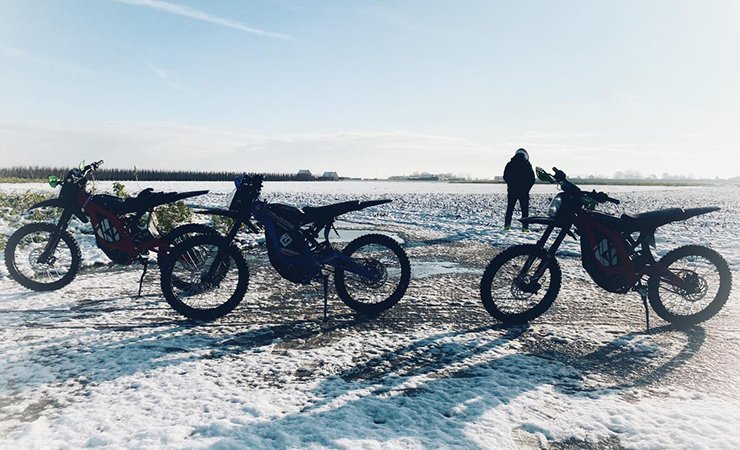
The last decade has seen dramatic growth in electric personal mobility — not only in urban e-bikes but also in off-road electric motorcycles (often called e-motos or electric dirt bikes). The Surron Light Bee X (2025) sits squarely in this category: a lightweight, high-torque, battery-powered off-road bike that is quiet, low-maintenance, and capable of sustained recreational trail use. For (parentFamily Surron ridess with children or mixed-generation groups) it offers the chance to share the trail experience without the noise, smell, and mechanical complexity of small gas engines
Audience: parents, guardians, group Family Surron ridess, youth riding program organizers, and trip planners who already own or plan to rent Surron Light Bee X bikes.
- Methodology: how we selected “top” spots and what “Family Surron rides”
Geographic diversity — west, mountain/desert, midwest, and east coast representation so families in most regions can find options
Community reputation — park and private-park reviews, local riding clubs, and reports from family riders.
Family-friendly features — gentle loops, youth clinics, rental options, and evidence of family events.
Range of trail difficulties — presence of beginner loops / practice areas as well as intermediate routes
Facilities & services — parking/staging, restrooms, picnic/camping, and, preferably, on-site rentals or training.
Legal permissibility — OHV or e-moto access, or clear policy allowing lightweight electric off-road vehicles. Family Surron rides (If an area’s policy was ambiguous or outright restricted to non-motorized use, it was excluded
Legal & land-management overview (national, state, and local considerations)
3.1. The important distinction: Class 1 vs throttle e-motos
Many land managers differentiate Class 1 e-bikes (pedal-assist only, limited power) from throttle-controlled electric motorcycles (higher power, no pedaling required). Moab’s large 2025–2026 policy discussions highlight that opening trails to Class 1 e-bikes does not automatically authorize throttle-controlled e-motos — a critical nuance families must note. Some trail openings in 2025/2026 applied only to Class 1 e-bikes, not Surron-style vehicles. Family Surron rides
3.2. Local regulations & permits
Many OHV parks require day permits, OHV stickers, age minimums, and protective gear mandates. For example, Hollister Hills SVRA and similar venues have strict event and pit rules and age/safety conditions. Other private parks (like Brushy Mountain) publish rider rules and sometimes offer clinics or rentals that explicitly welcome Family Surron rides . Always confirm permit needs, minimum ages, helmet requirements, and ride classification with the park operator.
3.3. National land managers & basic categories
State Parks & State Recreation Areas: Policies vary widely. Some states have explicit e-bike rules and designated vehicular recreation areas (SVRAs) where motorized e-motos may be allowed under specific conditions; others restrict e-bikes to roadways or designated areas. California State Parks’ policy, for example, restricts e-bike use to park roads unless a superintendent’s order designates otherwise — but state vehicular recreation areas may have separate allowances. Always review the specific park’s official rules before arrival Family Surron rides
US Forest Service and Bureau of Land Management (BLM): These agencies manage large swaths of public land and classify trails by use (motorized vs non-motorized). Many OHV trails on FS and BLM lands allow regulated motorized use; however, whether a throttle-controlled e-moto like the Surron is permitted depends on local travel management plans and how the vehicle is legally classified. Family Surron rides should consult the local field office pages before planning.
Regional spotlight — ten top trail systems for family Surron rides (detailed profiles)
Below are ten trail systems or parks that meet the selection criteria. Each profile includes why it’s family-friendly, key considerations, typical trail types, facilities, and a short planning tip.
Important: policies and conditions change — verify access and whether e-motos are permitted prior to travel.
4.1 Brushy Mountain (revisited) & other private family parks for Family Surron ridesor (nationwide)
Why: Private parks and dedicated motorsports parks often permit flexible policies, run clinics, and provide rentals — ideal for family first outings. If a family’s local public land for Family Surron rides is restrictive, private parks offer safe, legal alternatives.
Trail types: graded loops to technical trails, with beginner practice zones.
Facilities: rentals, lessons, campgrounds.
Planning tip: private parks are great for controlled first experiences and skill clinics.
4.2 Silver Lake Sand Dunes (Michigan) —
Why: Sand dune riding provides an open, low-risk environment for throttle feel and balance. Soft sand reduces the severity of minor falls and creates a playful learning area for kids and teens.
4.3 Arizona Peace Trail (select segments) — U.S. trail spots
Why: The Peace Trail spans hundreds of miles—families should pick short, well supported segments with accessible staging. Desert sections are open and forgiving for beginners when planned conservatively.
Trail types: desert tracks, gravel two-tracks, scenic vistas.
Facilities: limited in remote stretches—plan logistics carefully.
Planning tip: select short day loops near towns and avoid peak summer heat
4.4 Moab & Nearby BLM OHV Corridors (Utah) — Why it’s on the list (caveats apply)
Why: Moab offers iconic red-rock scenery and, as of late 2025 moves, expanded Class 1 e-bike access on many mountain bike trails — an indicator that e-trail policy is evolving. However, many Moab singletrack policies historically distinguish between Class 1 pedal-assist e-bikes and throttle e-motos. Families may find child-friendly OHV corridors, but must be careful to ride only in corridors that permit throttle-controlled e-motos; many newly opened routes are specific to Class 1 e-bikes (not Surron-style vehicles). Check BLM and local updates before planning.
4.5 Brushy Mountain Motorsports Park (North Carolina) — U.S. trail spots
Why: Brushy Mountain is renowned for family-friendly features: on-site clinics, rental partnerships, and a broad network of trails suitable for mixed-ability groups. The park frequently hosts lessons and has visible community support for youth programs, making it ideal for families new to off-road e-motos.
Trail types: wooded singletrack, open bench trails, rolling hills.
Facilities: rentals via partner vendors, campsites, lessons.
Planning tip: book a clinic or rental to let kids try a bike in a controlled environment before committing to a purchase. U.S. trail spots
4.6 Maine / New England ATV Trail Networks (select corridors) —U.S. trail spots
Why: Summer trips in cooler climates with forested routes and easy access make New England an attractive family region. Not every trail accepts e-motos—confirm OHV corridors that do.
Trail types: forest roads, ATV-grade singletrack.
Facilities: campgrounds, local services.
Planning tip: plan short loops with nearby lodging for family comfort.
4.7 Walker Valley ORV Park (Washington) —U.S. trail spots
Why: Walker Valley combines scenic mountain terrain with family events and community ride days. Cooler, forested trails are excellent for groups and less taxing on batteries due to lower ambient temperatures
. 4.8 Rampart Range Recreation Area (Colorado)
Why: Rampart Range’s network of forest roads and OHV trails suits family groups seeking open riding, scenic overlooks, and picnic spots. The elevation and views are rewarding, and the area’s trail management includes many motorized routes appropriate for mixed-ability groups.
Trail types: fire roads, OHV singletrack, scenic loops.
Facilities: primitive camping, staging, picnic areas.
Planning tip: watch elevation changes and weather (rapid shifts possible); carry extra water and layer clothing.
4.9 Hatfield–McCoy Trails (West Virginia) — U.S. trail spots
Why: One of the country’s largest coordinated trail networks, Hatfield–McCoy offers hundreds of miles and local services (towns, outfitters, lodging). Families can select short loops and benefit from tourism infrastructure. While not every trail within the system may accept e-motos, many OHV corridors do; cross-check local sections.
Trail types: maintained OHV trails, forest roads, scenic loops.
Facilities: local outfitters, lodging, well-marked trailheads.
Planning tip: choose a single county/section for your first visit to keep logistics simple and use local outfitters for guidance.
4.10 Hollister Hills State Vehicular Recreation Area (California) — U.S. trail spots
Why: Hollister Hills is one of California’s most developed OHV parks, with grading, training areas, and family events; it historically has had active OHV management and designated recreational zones suitable for youth learning. Its SVRA designation makes it more likely to have management frameworks that can include electric OHVs under specific rules. Families appreciate the variety of loops (beginner through advanced), campgrounds, and the presence of a strong organized OHV community.
Trail types: graded dirt loops, technical sections, open practice areas.
Facilities: staging, restrooms, camping, pit rules.
Planning tip: use the beginner loops early in the day for skill practice; confirm any e-moto registration rules with the park since local policies and classification can affect access.
- Why the Surron Light Bee X (2025) is well suited for family rides
Key attributes that make the Light Bee X attractive for family recreation:
- Quiet operation: reduces wildlife disturbance and makes conversation possible on the trail — ideal for family bonding and instruction.
- Adjustable power modes: ECO/Trail modes reduce torque and top speed for less experienced riders.
- Lower maintenance: no clutch/oil/fuel means fewer on-trip mechanical surprises and simpler parent supervision.
- Lightweight, compact footprint: fits in SUVs or pickup beds without special ramps for many families.
- Instant torque with throttle control: easy to learn but powerful — suitable for supervised teen riders once trained.
Because families often ride together with mixed skill levels, the Light Bee X’s user modes and relatively forgiving chassis are significant advantages. However, suitability depends on the family’s risk tolerance, local laws, and the chosen trail environment.
- Sample day and weekend itineraries (by region)
Below are sample itineraries built to be family-friendly: conservative distance, buffer time, and staged skill progression.
6.1 East Coast intro weekend — Brushy Mountain (NC) U.S. trail spots
- Day 1: Morning clinic for kids and parents; rentals available if testing bikes.
- Day 2: Instructor-led family ride, followed by lunchtime skills recap and optional second loop.
Each sample stresses early starts, hydration, and keeping groups together.
6.2 West Coast day plan — Hollister Hills (CA) — U.S. trail spots
- 7:30 am — Arrive, register, stage bikes, quick safety talk and gear check.
- 8:30–10:00 am — Beginner loop practice: balance, throttle control, braking.
- 10:00–11:30 am — Short family loop with an instructor or experienced rider leading.
- 12:00 pm — Picnic at the campground; rest and battery checks.
- 1:30–3:00 pm — Optional second loop (longer) or skills practice.
- 3:30 pm — Break down & debrief; kids share their favorite moments.
6.3 Mountain weekend — Rampart Range (CO) — Surron trails 2025
- Day 1: Arrive, set up camp; afternoon easy loop to check fitness & battery.
- Day 2: Early breakfast, full loop of moderate difficulty with lookouts and a picnic mid-ride; family photo stops and conservative return to camp for a leisurely evening.
Age, readiness, training, and safety protocols for kids and teens
7.1 Emergency & medical planning
- Carry a first-aid kit and know basic wound care.
- If riding remote desert or mountain trails, bring satellite communication device or at least a charged cell phone with offline maps.
- Keep a plan for ride turnaround times based on battery levels and daylight.
7.2 Recommended training steps
- Balance & throttle control drills in a flat, open area (cones, slow turns).
- Braking & emergency stop practice — learning front vs rear brake modulation.
- Small incline practice — learning to maintain traction and manage torque.
- Trail orientation — reading trail grade, route finding, and hazards.
- Group riding signals & spacing — teach 2–3 bike lengths, wait at clear sightlines, verbal/wave signals.
7.3 Age & maturity guidance (systematic approach)
Rather than strict age cutoffs, assess motor control, attention span, strength to hold the bike, and ability to follow instruction. A recommended conservative framework:
- Under 10 years: consider dedicated smaller youth e-bikes or supervised balance training; avoid throttle e-motos on public land.
- 10–13 years: supervised training in Eco/Trail modes on open practice areas and fire roads. Use physical fit (can they reach pegs & controls safely?) as a determining factor.
- 14–16 years: possible supervised OHV use on beginner routes after formal instruction and family practice.
- 16+ years: treat similarly to adult beginners once skills and judgement are demonstrated.
7.4 Protective gear (must-have list)
- Full-face off-road helmet (DOT/ASTM certified)
- Off-road gloves
- Chest protector or roost guard (kids especially)
- Knee and elbow guards
- Off-road boots with ankle support
- Goggles and breathable long-sleeve jersey/pants
Parents modeling full gear use dramatically increases kids’ compliance.
- Trail etiquette, environmental stewardship, and access advocacy
8.1 Environmental considerations
- Avoid riding wet, eroded trails — the damage causes long-term closures.
- Pack out trash: model the “leave no trace” ethic for kids.
- Respect wildlife: keep distance and avoid chase or disturbance.
8.2 Advocacy: keeping access open
Families can support trail access by:
- Joining local trail stewardship days, park cleanups, and restoration events.
- Working with local OHV clubs to promote family events and youth instruction.
- Communicating respectfully with land managers about the positive role of quiet electric recreation.
Positive community engagement helps ensure trail managers view electric family riders as partners rather than problems — an important factor in policy evolution.
8.3 Trail etiquette (practical norms)
- Yield rules: slow and yield to hikers and non-motorized cyclists.
- Announcements: use non-startling verbal alerts or polite horns to signal passes.
- Stay on designated trails: avoid cutting corners or creating new lines.
Noise & speed: keep speeds reasonable in multi-use areas; avoid unnecessary wheel spin
9. Family planning: logistics, gear checklist, and battery/range planning
9.1 Essential tools and spares
- Tire plug kit and spare tube
- Compact multi-tool and torque wrench
- Portable pump (hand or CO₂)
- Chain lube and a rag
- Electrical connector protectant (for post-wet crossings)
- Spare fuses and zip ties
9.2 Transport and staging
Surron Light Bee X is compact but heavy for a child. Typical transport options:
- SUV trunk or roof rack (if weight distribution and tie-down allow)
- Pickup bed with tailgate assist or small ramp
- Trailer for multiple bikes and family gear
Secure bikes with soft straps on frame and wheel chocks or soft padding. Bring basic tools for strap checks.
9.3 Food, water, and comfort
- Hydration packs (one per rider)
- High-energy snacks and a family lunch kit
- Sunscreen and insect repellent
- Small folding chairs/blanket for picnic breaks
9.4 Battery & range planning
- Realistic range: advertised range is often under optimal conditions; plan using 50–75% of claimed range for mixed technical trails and family pacing.
- Dual batteries: carrying an extra battery or swapping batteries mid-day extends range for family full-day plans.
- Conservative planning: plan routes where you can bail to a trailhead within remaining range.
- Portable charging: small solar setups or portable battery generators allow emergency top-ups at campsites.
10. Maintenance, common on-trail problems and quick fixes
10.1 Common on-trail problems & solutions
- Low battery: switch to Eco mode, slow down, and head to nearest trailhead. Carry charger in vehicle.
- Flat tire: tire plug kit, spare tube, and pump get you rolling in most cases.
- Loose chain or linkage: basic tool tightening can prevent failures; carry a multi-tool.
- Water ingress: dry connectors and inspect; newer 2025 models improved waterproofing but still rinse and dry after wet crossings.
10.2 Periodic maintenance schedule
- Monthly: clean & lube chain, inspect bolts, wipe battery terminals.
- Quarterly: brake pad wear, suspension seals, firmware updates.
- Battery care: keep at 20–80% for long-term storage; avoid leaving fully charged in extreme heat.
10.3 Pre-ride maintenance checklist (systematic)
- Battery full and secure; connectors clean.
- Tire pressure within recommended range for terrain.
- Bolts: quick torque check on critical fasteners.
- Brake check: lever travel and pad condition.
- Suspension: sag and rebound basic check
11. Cost, ownership considerations, and community resources
11.1 Resale & long-term value
Surron models tend to hold value due to brand recognition and durable frames. Battery cycle life (hundreds of cycles) is a key variable — budget for eventual battery replacement after heavy use.
11.2 Community resources
- Local riding clubs and forums: great for trail condition reports and family ride meetups.
- Private parks and rentals: ideal for testing before purchase and for initial supervised experiences.
- Trail apps and mapping (Trailforks, OnX): help plan routes and check permitted uses.
11.3Typical costs (2025 estimates)
- Surron Light Bee X (retail context): price varies by region and dealer. Factor in taxes and accessories.
- Essential family start-up (2 riders): two bikes + gear + basic tools — mid-to-upper four-figure totals depending on options.
- Running costs: charging is inexpensive compared to fuel; routine consumables (pads, chain lube) are low cost.
12. Conclusions and future outlook (policy, tech, and family recreation)
The Surron Light Bee X (2025) is an emblem of the broader shift toward quiet, sustainable, and family-oriented off-road recreation. The mix of expanded trail access in some regions, private motorsport parks offering rental and clinic infrastructure, and manufacturers’ attention to user modes and waterproofing, makes family Surron rides in 2025 more practical and enjoyable than ever.
Key trends to watch:
Tech advances: battery, BMS, and ride-control advances will make future Surrons longer range, safer, and easier to limit for youth riders.
Community stewardship: family riders who model good behavior and help stewardship programs will be central to keeping access open and expanding it responsibly.
Policy refinement: land managers are increasingly differentiating vehicle types; many recent decisions (e.g., Moab region Class 1 debates) show complex but incremental expansions that may create more family options — but note that many openings apply to pedal-assist (Class 1) e-bikes and not throttle e-motos (Surron-type) unless specifically stated. Always verify local rules before planning.
13. Appendix: quick checklists, links & references
Recommended citation references (select)
- California State Parks e-bike and SVRA policy pages.
- Hollister Hills SVRA / local HHORA rules.
- Brushy Mountain Motorsports Park — rentals, clinics, and park information.
- Hatfield–McCoy Trails coverage and family suitability summaries.
- Moab / BLM e-bike access developments (Class 1 e-bike policy updates and local decisions). Note: many recent articles in late 2025 discuss expanded Class 1 access — check BLM Moab Field Office for final rules effective date
Quick pre-ride family checklist
- Helmets & full protective gear for all riders
- Charged batteries + spare if possible
- Tire repair kit, pump, multi-tool, basic first-aid kit
- Park permits or OHV stickers checked and purchased online if required
- Water, snacks, sunscreen, phone/GPS (offline maps)
- Weather check and clear turnaround time (based on battery & daylight)
Final practical note
This guide is intentionally systematic and conservative: it privileges family safety, legal compliance, and sustainable trail stewardship. Because land managers periodically update policies (and because the technical distinction between pedal-assist e-bikes and throttle-controlled e-motos is crucial), always confirm specific trail permissions with the park or BLM/USFS field office before traveling
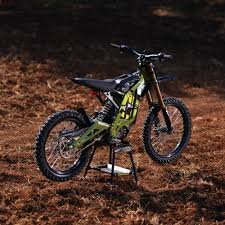
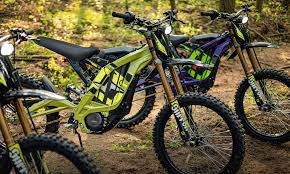
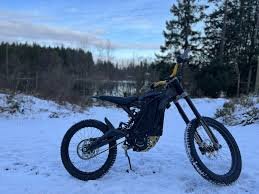
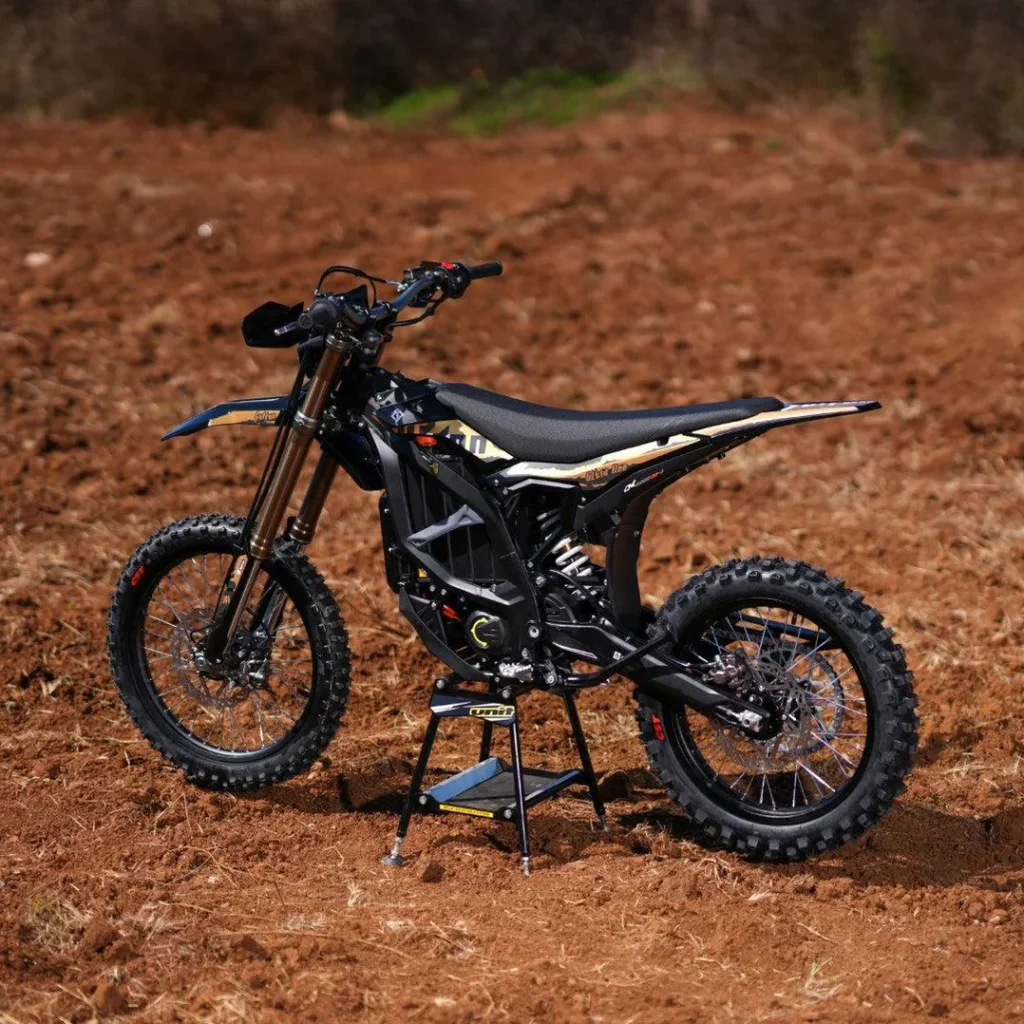
Table of Contents
Toggle