
Sur-Ron Legality: What You Need to Know in 2025
Short summary (so you know what to expect) ON SUR-RON LEGALITY
Sur-Ron — a family of powerful throttle-and-pedal electric off-road motorcycles / light electric motorcycles (often marketed as “e-bikes” or “light electric cross bikes”) — exists in a grey area regarding legal status globally. Sur-Ron legality In many places, a stock Sur-Ron will be regarded as a motorcycle or moped, requiring registration, licensing, insurance, and protective equipment. In other regions, lower-powered or physically-restricted versions that meet specific power, speed, and pedaling criteria may qualify as electrically assisted bicycles and can use bike infrastructure. The main factors determining this include motor power rating, whether the motor only assists when pedaling, top assisted speed, presence of a throttle, and local vehicle classification rules. Below I walk you through definitions, major jurisdictions, how to determine Sur-Ron legality where you live, practical do’s and don’ts, enforcement trends, case studies and policy considerations. I also give a detailed owner checklist and sample template you can use to check your jurisdiction.
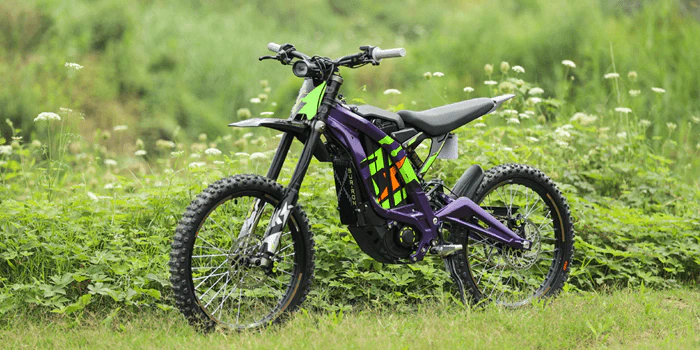
1. What is a Sur-Ron (quick technical framing)
Before the law: what the machine is, technically.
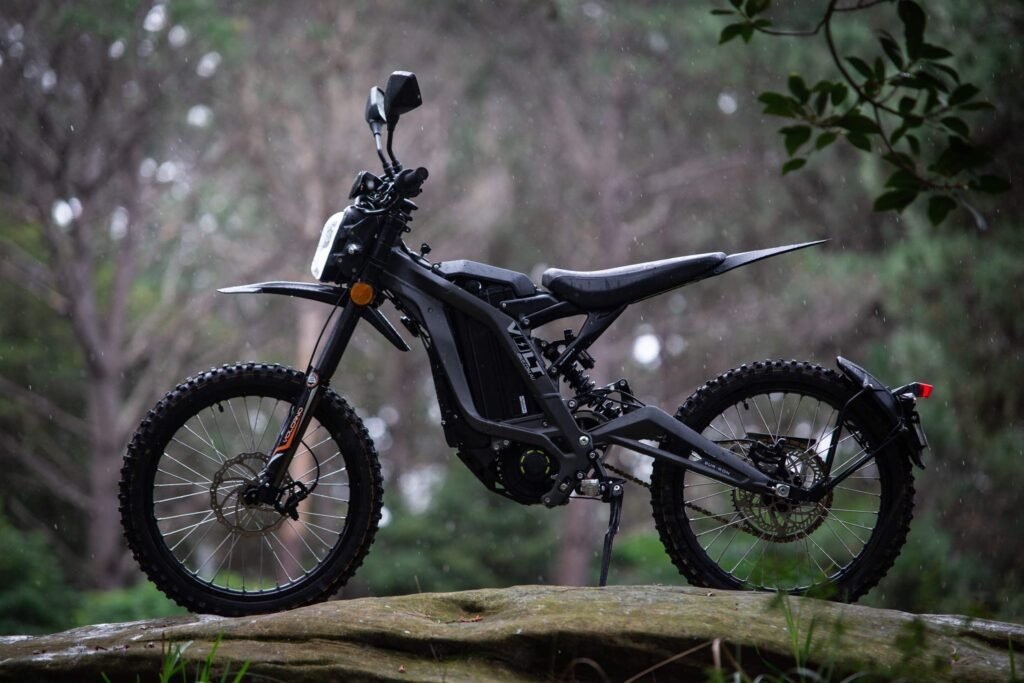
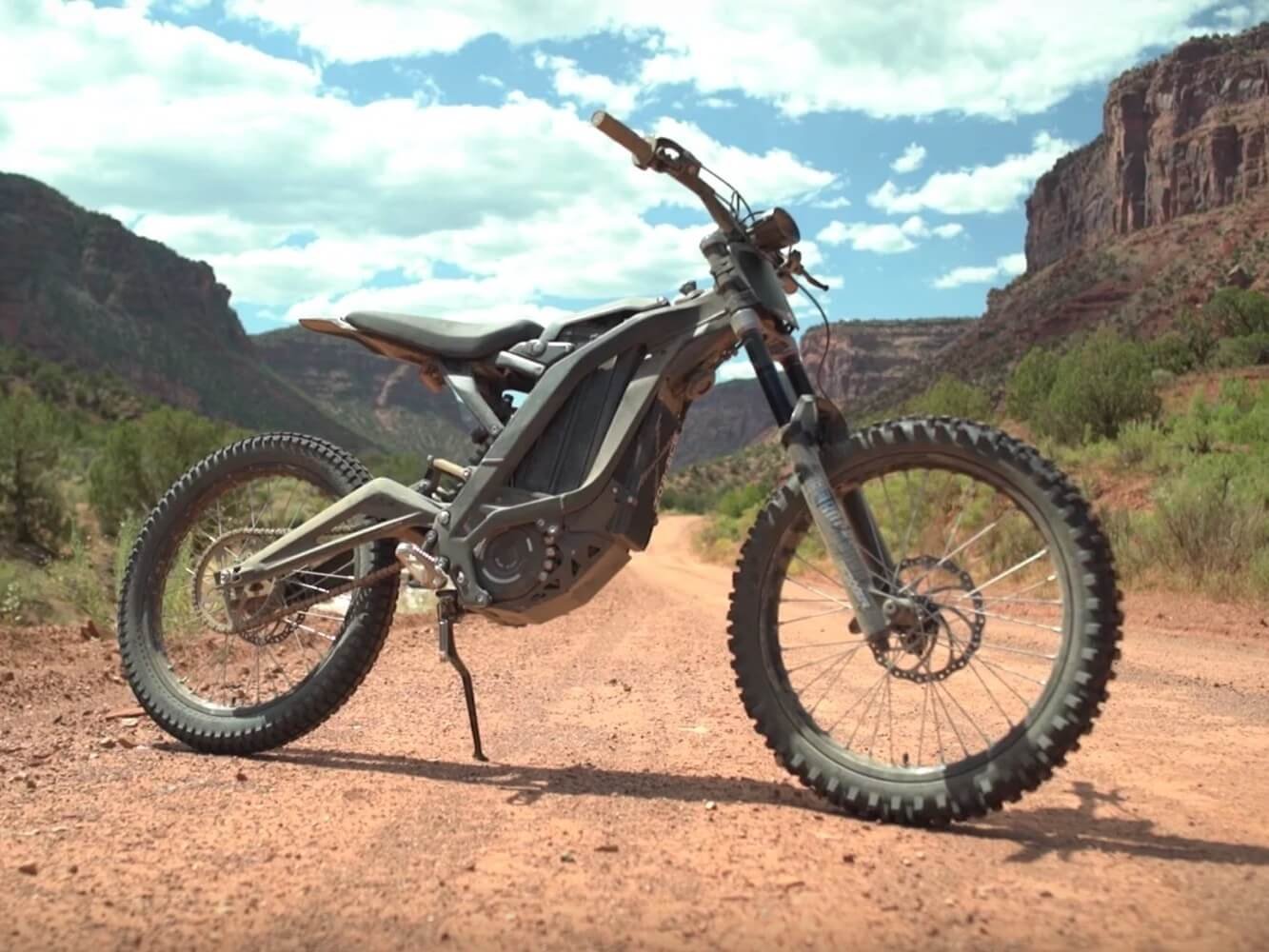
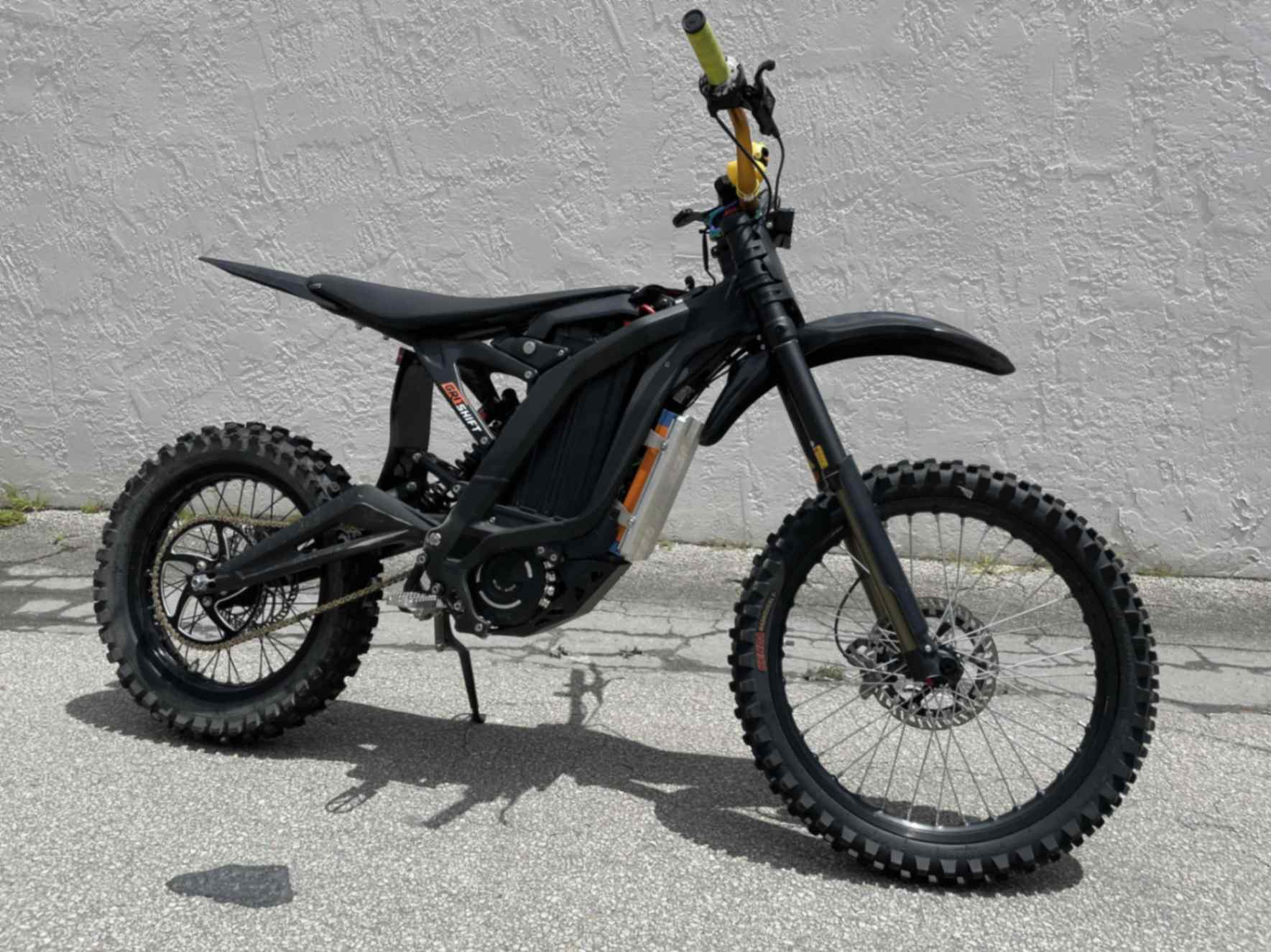
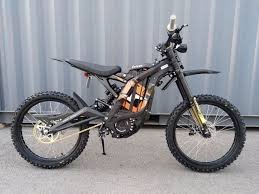
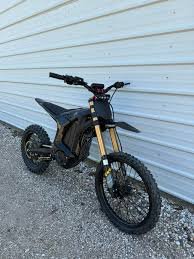
Sur-Ron (often sold as Light Bee, Ultra Bee, Storm Bee, and other names) is an electric motorcycle that can be used off-road or on light paths.
It usually has a strong motor, either in the hub or in the middle of the frame, a big battery pack, a frame like a regular motorcycle, suspension, and disc brakes. Many factory-made Sur-Rons and popular versions made by people after buying them can go much faster and have more power than typical e-bikes that help you pedal.
Important things the law looks at include: how much power the Sur-Ron legality motor can keep up with over time (measured in watts), the fastest speed the motor can help you go (in kilometers or miles per hour), whether you have to pedal to get help from the motor (pedal-assist only) or if you can use the throttle alone, how many wheels it has, and how much it weighs.
If a vehicle doesn’t have working pedals or mainly uses the throttle to move, many countries will treat Sur-Ron legality it like a regular motor vehicle.
This matters for the rules because laws usually don’t mention specific brands.
Instead, they group things based on the technical features listed above.
So whether a Sur-Ron legality is allowed depends on if it meets or goes beyond the local rules for those features.
2. How lawmakers commonly categorize electric two-wheelers BASED ON SUR-RON LEGALITY
Most countries group electric two-wheelers into a few legal categories. Understanding these categories helps you match Sur-Ron models to the right local classification.
Electrically Assisted Pedal Cycle (EAPC) / Low-speed e-bike — usually: motor power ≤ X watts (often 250W in the EU, 500W in Canada), motor help only when you pedal, and the assistance stops at a certain speed (25 km/h in the EU; 20 mph or 32 km/h in North America).
These are generally not considered motor vehicles — no registration or license needed — and can be ridden on bike lanes. ( Sur-Ron legality EU and many countries use this category.)
Speed-pedelecs / L1e-B / fast e-bikes — assist up to higher speeds (often up to 45 km/h); in many EU countries, they are classified as mopeds or light motor vehicles and require registration, insurance, a helmet, and may not be allowed on bike lanes.
Throttle-powered e-bikes / electric mopeds / light electric motorcycles — if they have a throttle (no pedaling needed), high continuous power, or go faster than e-bike speed limits, they are considered mopeds or motorcycles — requiring full registration, license categories, insurance, and safety gear.
Electric Bike Reviews
Sur-Ron legality Motorcycles — heavier, faster, more powerful vehicles are treated like motorcycles, with the same rules and regulations.
Because Sur-Rons often have throttles, strong continuous power, and top speeds that go beyond the “assisted bike” limits, they usually fall into categories 2 or 3 — meaning they can’t be ridden as regular bicycles on public roads in many areas
3. Snapshot: How major jurisdictions treat powerful e-bikes / Sur-Rons LEGALITY
Below I provide a summary of the practical rules in major areas and how a Sur-Ron legality is typically treated. This is not Sur-Ron legality advice — it’s just a comparison guide. For each region, I explain the usual limits and how a stock Sur-Ron legality is usually classified.
Important: How vehicles are classified and enforced can change.
Always check with the local transport authority, police, or a lawyer before riding on public roads.
3.1 European Union (and many EU member states ON SUR-RON LEGALITY)
Typical law for an “e-bike” (electrically assisted bicycle):
– The motor’s continuous power should be no more than 250 W,
– The motor only helps when you pedal (no throttle),
– The motor stops helping when you go faster than 25 km/h (about 15.5 mph).
If any of these are not met, the vehicle might be classified as a moped (L1e-B) or a light motorcycle.
This means it would need to be approved, registered, insured, and the rider must wear a helmet. (Each country may have its own rules.
Practical result for Sur-Ron: Most stock Sur-Ron legality have more than 250 W of power and include a throttle or go faster than 25 km/h.
They are usually treated like mopeds or light motorcycles, which means they need approval, registration, a license, and a motorcycle helmet.
To make a Sur-Ron legality as a bicycle in many EU countries, you would need to make major changes like reducing the power, only using pedal-assist, and limiting the speed to 25 km/h, along with getting any necessary certification.
3.2 United Kingdom
Key rule: In the UK, an Electrically Assisted Pedal Cycle (EAPC) is defined.
To qualify, the motor must have a maximum continuous power of 250 W, and the motor can only assist when you’re pedaling.
The motor stops helping when you reach 15.5 mph (around 25 km/h). EAPCs do not need to be registered, taxed, insured, or require a driving license. Sur-Ron legality Riders must be at least 14 years old.
If a vehicle does not meet the EAPC definition, it is treated as a motor vehicle and needs to be properly licensed and registered.
Practical result for Sur-Ron: A stock Sur-Ron legality usually doesn’t meet the EAPC requirements and will be treated as a motorcycle or moped.
That means it would need to be registered, licensed, and insured. To make a Sur-Ron legality as an EAPC, you would need to remove the throttle, limit the power and speed, and get any required certification.
3.3 United States
Federal baseline and state rules: At the federal level, the Consumer Product Safety Commission (CPSC) has a definition for low-speed electric bicycles.
This includes operable pedals, a motor no more than 750 W, and a top speed of 20 mph when using just the motor. However, transportation rules and where you can ride e-bikes are decided by each state.
Many states use a three-class system: Class 1 has pedal-assisted speed up to 20 mph, Class 2 uses throttle up to 20 mph, and Class 3 has pedal-assisted speed up to 28 mph. Rules on helmets, minimum age, and where you can ride vary from state to state. Federal rules do not override state rules, so you must check your state’s laws.
What this means for Sur-Ron: Many Sur-Ron legality have more than 750 W of power or reach speeds beyond 20–28 mph.
In states where they go over the local e-bike definition or have different throttle rules, they may be treated like motorcycles or mopeds.
This means they might need registration, a licence, and insurance. Some states allow lower-power versions to be registered or certified as e-bikes, but this depends on the specific case.
3.4 Canada
Federal baseline: Canada’s federal rules are often used by provinces.
These include a motor output of no more than 500 W, a top speed of 32 km/h (about 20 mph) on flat ground, and operable pedals. Provinces have their own rules about helmets, minimum age, and some small variations. If a device goes beyond these limits, it is treated like a motor vehicle, which means it needs registration, a licence, and insurance.
What this means for Sur-Ron: Most Sur-Ron legality have more than 500 W or go past the 32 km/h speed limit and have throttles.
This means they are usually classified as motorized cycles and will need registration, insurance, and a licence in Canada.
3.5 Australia
Landscape: Australian states have different thresholds.
Some set low continuous power limits to define what is a bicycle and have strict throttle rules. Many states have taken action against high-powered e-bikes, including considering registration.
Victoria and other states have different categories based on motor power, with stricter rules for throttle models. Enforcement against modified or “jailbroken” e-bikes is also increasing.
What this means for Sur-Ron: Unless heavily modified to meet local e-bike definitions, a Sur-Ron legality is likely to be treated as a motorcycle or moped.
This means it might need registration, a licence, and proper equipment.
3.6 South Africa
Recent trend: In late 2024 and early 2025, changes were made that now classify e-bikes that can go faster than certain speeds (like 45 km/h) as motor vehicles.
This means they need to be registered and licensed. The situation is changing, and how rules are enforced can be different from one local area to another.
Practical result for Sur-Ron: High-speed Sur-Ron legality are probably going to be treated like motor vehicles, not just regular bicycles.
3.7 Some African nations and other jurisdictions (including South Africa)
In many African countries, there aren’t clear laws specifically for e-bikes.
Instead, they use the same rules that apply to motor vehicles, or there isn’t much enforcement.
In these places, an electric motorcycle is often treated the same as a motorcycle or moped when it comes to importing, registering, and using it on the road. You should check with your country’s transport authority.
If the rules aren’t clear, it’s safer to treat the Sur-Ron legality like a motor vehicle unless told otherwise to avoid getting fined or having it taken away. Keep in mind that local rules can change quickly, so you should check with your country’s transport ministry. Local research is needed.
Suspension & Comfort
For e-MTBs, front suspension (120–170 mm) and sometimes rear suspension (trail/enduro) help you control the bike better and feel less tired when riding on rough terrain.
Features like lockouts and adjustable damping make it easier to climb and ride on smoother sections.
For e-road bikes, the frame is usually stiff, but some have small suspension features like flexible stays, seatposts, or rubber parts.
Wider tyres with slightly lower pressure can make the ride more comfortable without adding too much weight.
A general rule for comfort: If your roads are broken or you feel discomfort in your back or hands, adding suspension or wider tyres might be worth the extra weight and effort.
4. Why Sur-Rons are often not treated as bicycles
Three practical reasons:
1.Throttle & No Pedaling Requirement: Laws that classify assisted cycles as bicycles usually require the motor to assist only while pedaling (pedal-assist). Throttle-only designs are often excluded from this category.
2.Power & Speed Exceed Thresholds: Sur-Ron legality often produce more power and speed than standard e-bikes, which are typically limited to 250 W / 500 W / 750 W and capped at certain assisted speeds.
3.Design & Safety Profile: Sur-Ron legality have a design and handling similar to light motorcycles, with heavier frames, suspension travel, better braking, stronger chassis, and higher kinetic energy in accidents — factors that regulators consider higher risk, leading to the application of motorcycle/moped rules.
5. Practical checklist: How to determine whether a Sur-Ron is legal where you live
Use this template to check if your bike fits the law in your area. I’ve listed everything you need (you can copy and use it as is).
A. Technical details (from the bike, seller, or owner manual)
Continuous rated motor power (W): ______
Listed peak motor power (W): ______
Top assisted speed (motor-only) (km/h or mph): ______
Is there a throttle that you can use without pedaling?
(Yes/No) ______
Are there working pedals that you can use?
(Yes/No) ______
Net vehicle mass (kg): ______
Number of wheels: ______
B. Local law questions
What does the law in my country/province/state say about electrically assisted bicycles?
(Include the law name) — _____________________
What are the maximum power limits (W) and assisted speed caps (km/h or mph) for e-bikes under that law?
— _____________________
Are throttles allowed on e-bikes, and if so, what power limit applies?
— _____________________
Does the law require registration, insurance, or a license for vehicles that go over these limits?
— _____________________
Are there separate categories like “speed-pedelecs,” mopeds, L1e-B vehicles, or electric motorcycles?
— _____________________
Are there rules about helmets, lights, mirrors, or other equipment for those categories?
— _____________________
C. Enforcement and practice
Look up local police or transport authority websites for information about “e-bikes” or “electric mobility.”
(Include the website or phone number)
Check recent local news about enforcement or actions against illegal e-bikes (for example, operations in NSW).
D. Decision logic (simple):
If your Sur-Ron legality meets all the local e-bike (EAPC) technical requirements → it is likely legal as a bicycle (but double-check).
If it goes over the power or speed limits, or uses a throttle not allowed by the e-bike definition → it might be a moped or motorcycle → registration, license, and insurance may be needed.
If you’re unsure → contact the local transport authority or motorcycle registration office.
6. What owners commonly do (and the risks of each option)
Owners who want to ride Sur-Ron legality on public roads usually choose one of these options. Each has its own advantages and possible legal problems.
Option A – Act like it’s a motorcycle or moped: register, license, insure, and ride properly
What to do: Register the Sur-Ron legality as a moped or motorcycle if allowed, get the right license, install required lights, mirrors, and indicators, get insurance, and wear a helmet and protective clothing that’s safe for motorcycles.
Pros: It’s fully legal, can be used on public roads depending on its class, and you’re less likely to get fined or have it taken away Sur-Ron legality.
Cons: You might need to change the Sur-Ron legality to fit standards, and there could be taxes and insurance costs.
In some areas, it’s hard to get registration for imported electric motorcycles.
Option B – Make it fit e-bike rules (lower power, remove throttle, limit speed)
What to do: Change the controller and motor to meet local power and speed limits, take out the throttle so the motor only helps when you pedal, and add any needed certification labels.
Pros: You can use it like a regular bike, so you don’t need a license or registration.
It’s cheaper.
Cons: It won’t perform as well.
It could be hard to prove it meets the rules during checks. Changes can be reversed, which is a problem. Sur-Ron legality, Some places don’t allow big changes that change how the vehicle is classified.
Option C – Only use it on private land or closed tracks
What to do: Ride the Sur-Ron only on private property or in areas that are closed off, like race tracks or parks, where the law allows it.
Pros: You don’t have to follow traffic laws with Sur-Ron legality.
Cons: You can’t use it much in real life.
There’s also a chance of breaking the law if you ride on public roads by accident.
Option D – Ride on public roads without following the rules
What to do: Ride it however you want.
Pros: It’s easy and fast for the rider.
Cons: There’s a high chance of getting fined, the bike might be taken away, your insurance could be invalid, and you could face criminal charges Sur-Ron legality if you hurt someone.
You might also be held responsible for any damage.
Law enforcement is paying more attention to illegal or modified e-bikes in many areas lately.
7. Enforcement, penalties, and real-world risks
Sur-Ron legality Enforcement varies from place to place, but there are common consequences for riding an e-bike or scooter that doesn’t meet the rules on public roads:
Fines and vehicle seizure: police can fine people, and in some cases, they take away the vehicle.
Recent actions in places like New South Wales show that enforcement is getting stricter, especially when there are Sur-Ron legality safety issues.
Impoundment: if a vehicle doesn’t have license plates or proper registration, it can be taken away by authorities.
Insurance issues: if a vehicle isn’t properly registered or checked, insurance companies may not pay for damages or injuries that happen.
Criminal charges: if an accident causes injury or death, the person operating an unregistered or illegally modified vehicle might be charged with criminal negligence.
In some areas, like Victoria, coroners have suggested stricter rules after fatal accidents involving such vehicles.
Civil liability: even if you don’t get criminal charges, you could still be sued for any damages that your insurance doesn’t cover.
Traffic tickets for equipment: even if it’s unclear what category the vehicle falls into, Sur-Ron legality not having required parts like lights, mirrors, or plates can result in fines.
Real-world example: many places are now taking action against people who modify e-bikes to go faster or have more power than allowed.
Police are conducting more Sur-Ron legality raids and targeted actions as these incidents become more common. So, if Sur-Ron legality, owners and buyers should know that regulators and police are paying more attention now than they were in the past.
8. Import, customs, and taxes — what to check before buying/importing
8.1 Understand Your Country’s Customs Classification
Electric motorcycles vs e-bikes: Customs authorities often classify Sur-Rons as electric motorcycles rather than bicycles due to their power output.
This classification determines the tariff code, import duties, and required paperwork.
Check the Harmonized System (HS) code for electric motorcycles (commonly 8711.60 for electric two-wheelers).
Using the correct code ensures proper duty calculation and compliance with import regulations.
Declare “for off-road use only” if applicable — some importers use this route to avoid road-registration complications, but it also means you cannot legally use the bike on public roads without later conversion and certification.
8.2 Research Import Duties and Taxes
Every country applies different taxes on electric vehicles:
Import duty — A percentage of the product’s declared customs value.
Many countries are now reducing or waiving duties on electric vehicles to encourage e-mobility.
Value-Added Tax (VAT) or Goods and Services Tax (GST) — Charged on top of customs value and shipping.
This is typically unavoidable unless there’s a local incentive.
Environmental or registration fees — Some customs agencies apply green levies or require proof of battery recycling compliance.
Before importing, verify the exact percentages with your country’s customs authority or trade ministry.
For example:
The EU has tariff reductions for zero-emission vehicles.
The United States applies import duty based on the HS code and country of origin (typically 0–2.4% for electric motorcycles).
Several Asian nations (like India and Thailand) offer reduced import duties for EVs under national green-mobility schemes.
8.3 Documentation You’ll Need
Prepare the following to avoid clearance delays or disputes:
Commercial invoice showing purchase price, make, and model.
Certificate of origin from the manufacturer or dealer.
Packing list and shipping documents (bill of lading, airway bill, etc.).
Manufacturer’s technical specification sheet listing motor power, battery capacity, and VIN/serial number.
Declaration of conformity or CE/UL compliance certificate (if available).
Battery safety documentation — some countries require proof that lithium-ion batteries meet UN38.3 transport standards.
Tip: Always confirm that the seller provides full paperwork before shipment.
Missing documentation is a leading cause of import seizure or reclassification.
8.4 Check Type-Approval or Homologation Requirements
Even after passing customs, your country may require type-approval or inspection before registration:
In Europe, type-approval is mandatory for vehicles classified as mopeds or motorcycles.
Without it, you cannot register or insure the bike.
In the US and Canada, states and provinces may require DOT/EPA compliance labels and VIN verification.
In Australia, New Zealand, and parts of Asia, you might need an individual vehicle approval (IVA) inspection.
If your Sur-Ron is sold “off-road only,” it may not have the required manufacturer approval plate — meaning it can’t be legally registered unless you complete a local inspection or conversion process.
8.5 Understand Shipping Restrictions for Batteries
Lithium-ion batteries are classified as dangerous goods under international air and sea transport laws.
Air carriers often restrict shipments over 100 Wh per battery without special packaging and labeling.
Sea freight is safer and more affordable but requires compliance with the UN3480 or UN3481 dangerous goods code and certified packaging.
When shipping separately, ensure the freight company is experienced with Class 9 hazardous materials and provides tracking and insurance.
8.6 Insurance and Risk During Shipping
Because Sur-Ron legality are high-value items, purchase transit insurance that covers loss, theft, or damage.
Check whether the policy covers battery-related claims, since some insurers exclude lithium-ion components.
8.7 Post-Import Registration and Road Use
Once the bike clears customs:
Verify that the import documents match the VIN and manufacturer details.
Contact your local motor vehicle registration office for inspection or registration procedures.
Provide any required road-worthiness certificates or modification records (e.g., installation of lights, mirrors, indicators).
Pay applicable registration fees and obtain licence plates if eligible.
Secure liability insurance before riding on public roads.
8.8 Avoid Common Pitfalls
Declaring incorrect power/speed specs: Understating specs may lead to seizure, fines, or reclassification.
Importing without battery documentation: Can cause customs delays or confiscation under hazardous goods regulations.
Buying from unverified sellers: Fake or incomplete paperwork is common; always use reputable dealers.
Ignoring local homologation rules: A Sur-Ron legality cleared by customs isn’t automatically street legal — import clearance ≠ registration approval.
9. Insurance and liability: what owners must know
If your bike is considered a motor vehicle, like a moped or motorcycle, you usually need at least third-party liability insurance to ride on public roads.
Riding without insurance or registration can lead to big financial problems and even criminal charges.
If your bike is treated like a regular bicycle, standard bicycle insurance might not cover if you use it as a motorized vehicle.
Some areas don’t require insurance for e-bikes that meet certain rules, but they still suggest getting liability coverage as a good idea.
When it comes to accident claims, insurance companies may check if your bike was changed in a way that breaks the coverage, like using illegal controllers or removing speed limits.
If you ride with a club or rent a Sur-Ron, make sure the company has insurance that covers how you plan to use the bike.
Always check with insurance companies to see if a Sur-Ron legality, with its exact power level and any modifications, is covered under their motorbike or e-bike policies before riding on public roads.
10. Modifications, “jailbreaking” and legal risk
Modifying a speed limiter or motor controller to increase speed or power is common within the community, but it effectively turns a compliant vehicle into an unregistered motor vehicle, which can lead to legal complications. This is a high-risk action, as it may result in regulatory and insurance consequences.
Aftermarket parts like non-certified lights, tires, or brake upgrades can change how a vehicle is viewed by inspectors — some modifications may be acceptable, while others could result in failing inspection.
Sellers often include disclaimers stating that Sur-Ron legality are for “off-road use only” to limit their legal liability.
Such labeling may be interpreted as evidence that the seller intended the product for use off-road only.
Advice: Avoid making modifications that increase speed or power unless you are prepared to pursue proper registration and homologation.
Always document any Sur-Ron legality changes and consult local authorities to ensure they are acceptable.
11. Special issues for trail access, multi-use paths, and ecological/ethical considerations
Trail access and local rules: even if a Sur-Ron legality is registered for road use, many protected trails, parks, and shared paths don’t allow motorized vehicles, including electric motorcycles. This is to protect the trails and keep things safe for hikers and cyclists.
Trail etiquette and getting along with the community: e-motorbike riders should behave politely—like giving way, going slowly near others, and staying on marked trails.
This helps avoid getting banned or restricted by trail managers.
Noise and environmental impact: while Sur-Ron legality are quieter than gas-powered bikes, they still make noise and can damage trails.
Poor riding habits can lead to local bans or penalties.
If you want to ride both on roads and trails, plan your route and check the rules of the local parks and trail authorities.
12.Practical legal checklist — before you ride a Sur-Ron on public roads
Use this checklist to see if your Sur-Ron is allowed where you live:
Classification check
Call your local DMV or transport authority, or look up the national vehicle laws: how are e-bikes, mopeds, and motorcycles defined (based on power and speed limits)?
Technical compliance
Does the Sur-Ron legality meet the speed and power limits for a bicycle or electric-assisted cycle in your area?
For example, in the EU/UK it’s usually up to 250 W and 25 km/h; in Canada, up to 500 W and 32 km/h; in the US, up to 750 W and 20 mph as a guide. If it Sur-Ron legality doesn’t, treat it like a moped or motorcycle until proven otherwise.
Equipment
Does it have the necessary lights, mirrors, horn, turn signals, reflectors, license plate holder, speedometer, and legal tires?
Documentation
Can you get a certificate of conformity, a bill of sale, and a VIN?
Will these be accepted by the registration office?
Licensing
What kind of license is needed for the classification?
(like a car license, a moped endorsement, or a motorcycle license)
Insurance
Is third-party liability insurance required?
Will insurance companies cover this model and any modifications?
Import and customs
If you brought it from another country, did you check taxes, any exemptions, and customs documents?
(In South Africa, check current EV incentives.)
Intended use and local access
Are the roads and trails you plan to ride allowed for your vehicle type?
Check local bylaws and park rules.
Modification status
Has the bike been altered to increase power or speed?
If so, can you legally certify it as a compliant category?
Enforcement risk
Check recent news or local enforcement actions against e-bikes or mopeds—this shows how much regulators are watching and how much fines could be.
If you answer “no” to any of these important questions (classification, equipment, registration, insurance), do not ride the bike on public roads.
13. Practical examples & estimated costs (ballpark)
Making a Sur-Ron legality on road can vary a lot depending on the country. Here are some general examples to help you understand the costs (these are just rough estimates):
If you’re allowed to make it street-legal with minor modifications, like adding lights, indicators, mirrors, and a speedometer, and you pass an inspection in a place that has a “light motorcycle” category, you can expect to spend between $500 and $2,000.
If you need full approval, like official type approval, electrical safety tests, paperwork for emissions and noise (though this is rare for electric vehicles, some testing may still be needed), and registration fees, you might pay between $1,000 and $5,000 or more.
For a license and insurance, costs vary.
You might need to take a motorcycle endorsement course and pay related fees, which can range from $200 to $1,000, depending on the country. Annual insurance can cost between $100 and $1,000 or more, depending on where you live and the type of coverage you choose.
If the cost or time to make it legal is too much, you might want to consider these safer options:
Buy a factory-made street-legal model that already meets the legal standards in your country, or
Keep the Sur-Ron for use on private property or a closed track, and get a separate certified e-bike for everyday road use.
14. Future Trends in Sur-Ron Regulation and Ownership
The future of Sur-Ron ownership is being influenced by fast-moving technology and a growing worldwide focus on smart, eco-friendly transportation.
Here’s what you can expect in the years ahead.
14.1 Standardization of E-Bike Classification
A major issue with legality right now is that e-bikes, mopeds, and motorcycles are often grouped differently in different places.
This makes it hard for riders and makers to know what rules apply.
International groups are working to create the same rules for light electric vehicles (LEVs) around the world.
The UNECE (United Nations Economic Commission for Europe) is pushing for common standards for these Sur-Ron legality vehicles.
The EU has L-category rules that are being updated to include high-performance electric dirt bikes like the Sur-Ron legality.
This will help both brands and riders better understand what they need to do to register and follow the law, no matter where they are.
14.2 Compliance Through Technology
New Sur-Ron legality models are likely to come with smart systems that help riders stay legal.
These could include GPS trackers that limit speed, apps for registration, and remote tools that check if the bike meets local rules.
Manufacturers might also use software that limits performance in places where e-bikes are classified more strictly.
This way, riders can stay on the right side of the law without having to change parts of the bike.
14.3 Eco-Friendly and Recycling Rules
As more people are concerned about the environment, governments are starting to focus on how batteries are disposed of and recycled.
You can expect new rules requiring companies to take responsibility for their batteries, making sure they are collected, reused, or recycled properly.
Some countries are even creating battery passports.
These are digital Sur-Ron legality records that track the battery’s source, type, and recycling status. This makes the e-bike industry more open and responsible.
14.4 New Rules for Safety and Training
With more powerful e-bikes hitting the roads, new rules are likely to be put in place.
These could include mandatory insurance, regular safety checks, and even training for riders.
Future laws may require proof of basic road safety knowledge or the use of protective gear, especially for Sur-Ron legality style electric motorcycles that go faster than 45 km/h.
14.5 What’s in Store for the Global Market
As Sur-Ron legality becomes more popular worldwide, we can expect:
More local factories to make the bikes, helping cut costs and meet local rules.
More acceptance of electric off-road bikes in racing and for fun riding.
Integration with green energy sources, like home solar systems or shared charging spots.
In the long run, Sur-Ron legality rise shows how society is changing its view of transportation.
It’s not just about moving from place to place, but being part of a bigger switch to environmentally friendly technology. The future holds more clear, honest, and eco-focused rules, turning Sur-Ron from a rare off-road machine into a common, legally approved, and eco-friendly way to travel.
The future of Sur-Ron ownership is being influenced by fast-moving technology and a growing worldwide focus on smart, eco-friendly transportation. Here’s what you can expect in the years ahead.
14.1 Standardization of E-Bike Classification
A major issue with Sur-Ron legality right now is that e-bikes, mopeds, and motorcycles are often grouped differently in different places.
This makes it hard for riders and makers to know what rules apply.
International groups are working to create the same rules for light electric vehicles (LEVs) around the world.
The UNECE (United Nations Economic Commission for Europe) is pushing for common standards for these vehicles.
The EU has L-category rules that are being updated to include high-performance electric dirt bikes like the Sur-Ron legality.
This will help both brands and riders better understand what they need to do to register and follow the law, no matter where they are.
14.2 Compliance Through Technology
New Sur-Ron legality models are likely to come with smart systems that help riders stay legal.
These could include GPS trackers that limit speed, apps for registration, and remote tools that check if the bike meets local rules.
Manufacturers might also use software that limits performance in places where e-bikes are classified more strictly.
This way, riders can stay on the right side of the law without having to change parts of the bike.
14.3 Eco-Friendly and Recycling Rules
As more people are concerned about the environment, governments are starting to focus on how batteries are disposed of and recycled.
You can expect new rules requiring companies to take responsibility for their batteries, making sure they are collected, reused, or recycled properly.
Some countries are even creating battery passports.
These are digital records that track the battery’s source, type, and recycling status. This makes the e-bike industry more open and responsible.
14.4 New Rules for Safety and Training
With more powerful e-bikes hitting the roads, new rules are likely to be put in place.
These could include mandatory insurance, regular safety checks, and even training for riders.
Future laws may require proof of basic road safety knowledge or the use of protective gear, especially for Sur-Ron-style electric motorcycles that go faster than 45 km/h.
14.5 What’s in Store for the Global Market
As Sur-Ron legality becomes more popular worldwide, we can expect:
More local factories to make the bikes, helping cut costs and meet local rules.
More acceptance of electric off-road bikes in racing and for fun riding.
Integration with green energy sources, like home solar systems or shared charging spots.
In the long run, Sur-Ron legality rise shows how society is changing its view of transportation.
It’s not just about moving from place to place, but being part of a bigger switch to environmentally friendly technology. The future holds more clear, honest, and eco-focused rules, turning Sur-Ron legality from a rare off-road machine into a common, legally approved, and eco-friendly way to travel.
Summary
The international environment for Sur-Ron e-bikes is gradually becoming more legal, with clearer rules and better environmental standards. As global electric vehicle regulations develop, riding a will become easier, safer, and more enjoyable, no matter where you ride in the world.
Q: Can I ride an e-MTB on the road without any problems?
Yes, many Sur-Ron legality people do.
You can expect slower top speeds and more wear on the bike. If you ride mostly on roads, you might want to use faster tires at medium pressure.
Q: Can an e-road bike handle gravel paths?
Yes, for light gravel and canal paths—especially if you use 35–40 mm tires.
If you’re going on rough, rocky, or root-filled trails, you’ll probably want an e-MTB.
Q: How big should my battery be?
Choose a Sur-Ron legality battery that can get you through your longest ride in your usual assist mode, with about 20–30% extra power left.
If you often ride up steep hills, go for a bigger battery.
Q: What about speed-pedelecs?
They provide higher assistance speeds, but they might need registration, special helmets, insurance, or a license, depending on where you live.
Q: Should I use tubeless tires or tubes?
Tubeless Sur-Ron legality tires help prevent punctures and let you run lower pressures for better comfort and grip.
Most performance setups now use tubeless as the standard.
Putting It All Together (Editorial Conclusion)
If your dream of e-cycling is about going fast, riding long, and staying smooth, a Sur-Ron legality e-road bike lets you cover more ground with less effort—your money and battery will both be happy.
If your idea of cycling is adventure, with roots, rocks, and tough climbs, an e-MTB makes the tough terrain feel like nothing and turns tricky parts into fun challenges.
A lot of riders end up with a mix of both: a gravel-focused e-road bike with enough clearance, or a light-trail e-MTB with semi-slick tires.
No matter which path you take, focus on how well the bike fits you, how easy it is to get service locally, and how available the parts are—they’re more important in the long run than any single number on the spec sheet.
Table of Contents
Toggle