
The Big Question
Ultimate Guide to E-Bike Range: How Far Can You Really Go?
If you’ve ever considered buying an electric bike, you’ve likely asked the same question that every new rider wonders:
An e-bike range, how far can it go ?
It’s a reasonable question — maybe even the most important one — and it hits the heart of what makes e-bikes both interesting and a bit tricky to understand.
After all, the distance an e-bike can cover has more than just practical importance; it shapes the sense of freedom you feel while riding.
Picture this: you’re riding smoothly down a quiet street on a calm morning, the soft sound of your motor mixing with the wind.
You’re halfway to work or maybe enjoying a country trail when a small thought pops up — how much battery do I have left? That’s called range anxiety, and even the best e-bikes can’t completely get rid of it. But knowing what affects how far you can go can change that worry into trust.
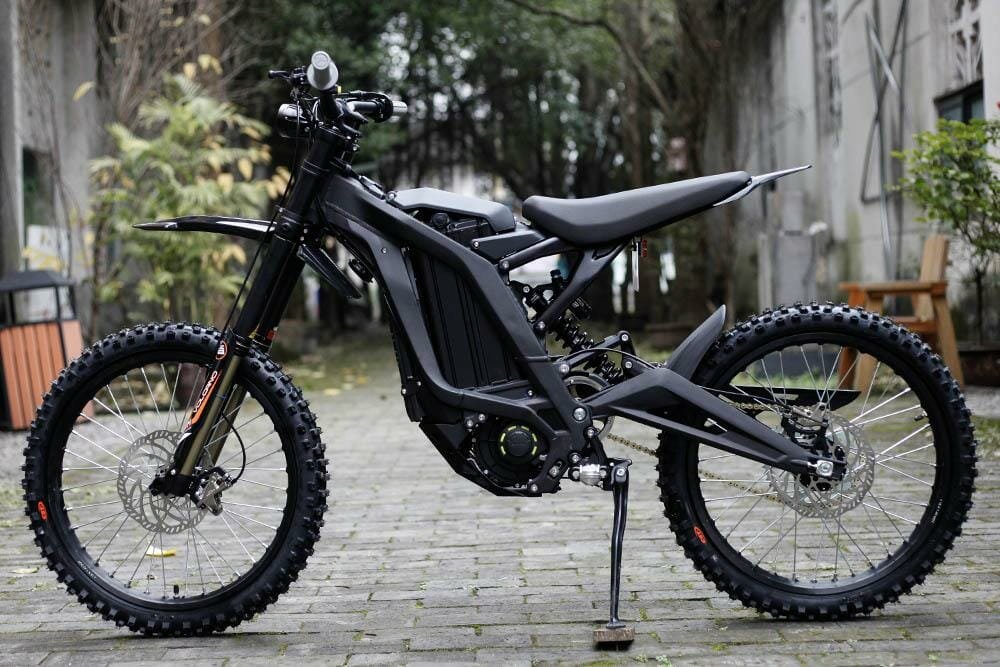
The Rise of the E-Bike RANGE
Electric bikes have grown a lot in the last ten years. Experts say that in 2024, more than 45 million e-bikes were sold worldwide, and they expect this number to
keep growing by double digits until 2030. This growth is because more people are moving to cities, gas prices are high, and many people care about the
environment. Because of this, e-bikes have gone from being a special interest to becoming a big part of how people get around.
Now, e-bikes aren’t just for people who love technology or work in cities — they’re used by delivery drivers, people who like to exercise, older adults, and even
adventurers who want to travel farther without tiring so easily.
Whether you buy a basic e-bike for about $800 or a top-of-the-line model with two batteries for over $7,000, one thing everyone is asking is: how far can it go?
Why E-BIKE Range Matters
Range isn’t just a number you see on a spec sheet; it’s a big part of how well your e-bike works for you. It decides whether you can:
– Ride to work and back without needing to charge in the middle of the day
– Take a long, beautiful ride without worrying about the battery running out
– Use your e-bike as a real alternative to driving a car
A longer range gives you more choices, more freedom, and more confidence when you’re riding.
But it also affects how much your e-bike costs, how heavy it is, and how fast it charges. Big batteries let you ride further — but they also mean a higher price, slower charging, and more weight to carry.
So the real question isn’t just, “How far can an e-bike go?”
It’s, “How far can it go for you — based on how you ride, the roads you take, and your usual habits?”
⚙️ The Truth Behind “Advertised Range”
Many people who buy new e-bikes believe the range numbers they see in the ads are real.
But later, they get surprised when the actual distance they can go is less than what was promised. For example, a brochure might say:
“Up to 80 miles on a single charge!”
That sounds amazing, right?
But the word “up to” means a lot of things are assumed:
– The rider weighs about 140 pounds
– The road is completely flat
– There’s no wind pushing against the bike
– You’re using the lowest power setting, eco mode
– The battery is brand new and at room temperature
– Tires are properly inflated
In real life, the same bike might only do 45 to 55 miles for a regular rider going over different types of roads.
And if you switch to the highest power mode or use full throttle, the range can go down to 25 miles or even less.
Manufacturers aren’t being dishonest — they’re just testing under the best possible conditions, like how car companies show “highway miles per gallon.”
Real-world range always depends on different factors. The key to knowing how far your bike can actually go is understanding what these factors are — and we’ll go into more detail about that in the next section.
Why Every E-Bike Range Is UniquE
No two riders, bikes, or routes are the same — which means e-bike range can vary a lot from person to person. It depends on several things:
The size and efficiency of the battery
The type and power of the motor
How much the rider weighs and how much cargo they carry
The level of assist being used
The type of terrain and weather conditions
The kind of tires and how well they are maintained
All these factors together form a complicated mix that determines how well your e-bike uses stored energy to go a certain distance.
For example, a light rider who’s going on flat city roads and uses a medium assist level might ride about 60 miles on one charge.
But a heavier rider going off-road with maximum assist on tough hills might only go around 25 miles — even if they have the same battery. This is why it’s hard to give one-size-fits-all numbers for e-bike range.
The Psychology of E-BIKE Range: Freedom vs. Fear
E-bike Range isn’t just a number on a screen—it’s also about how riders feel. People want to know their e-bike will keep going, and that worry, called range anxiety, is similar to what electric car drivers felt years ago.
But as riders get more used to their bikes, they start to understand how far they can go, how different power settings affect the ride, and when to save battery or plug in.
Basically, experience helps ease the worry.
Also, as charging options get better—like fast chargers and even solar power—the fear of running out of power is becoming less and less.
Studies show that once riders know how far their bike can go on a charge, more than 80% feel confident using it for everyday trips without needing extra plans.
E-BIKE Range, Speed, and Power — A Balancing Act
There’s also a balance to keep in mind between how fast you go, how much power you use, and how far you can travel. The more power you take from the motor, especially when going faster, the quicker your battery runs out. For example, riding at 20 mph might use twice as much energy as going at 12 mph, even if you’re on the same type of terrain.
That’s because the air resistance you face gets much bigger as you go faster.
So when you’re using the highest level of help to keep up with high speeds, your motor has to work harder, your battery gets used up more quickly, and your ride doesn’t last as long. This isn’t a problem — it’s just how things work in physics.
That’s why e-bike makers give you different power levels to choose from — like Eco, Tour, Sport, and Turbo.
These let you adjust how you ride, deciding whether you want to go faster or go further. Most people find that using a middle setting, around 40 to 60% power, gives them the best mix of speed and how far they can go.
Average E-bike Range Expectations
Here’s a general idea of how far you can go based on battery size:
Battery Size (Wh) | Typical Real-World E-bike Range (Miles) | Typical Use Case
—|—|—
250 Wh | 10–20 miles | Short trips, folding e-bikes
500 Wh | 25–45 miles | Daily commuting
750 Wh | 35–70 miles | Longer rides, hilly areas
1000+ Wh | 60–100+ miles | Long-distance travel
Remember — these are realistic numbers, not the numbers you see on the box.
If you’re heavier, use the throttle a lot, or ride fast a lot, your range will be less. But if you ride carefully and slowly, you can get more out of your battery.
The Big Idea
So when you ask, “How far can an electric bike really go on one charge?” the truth is, it really depends.
It depends on the size of the battery, how efficient the motor is, the conditions you’re riding in, and most importantly, how you ride.
But instead of seeing this as something that limits you, think of it as giving you more control. You get to decide how you ride—whether you go faster or slower, whether you want more power or better efficiency.
The more you learn how these things work together, the better you can guess how your e-bike will perform in real life—and the more fun each ride will be.
Understanding E-Bike Range: Beyond the Numbers
When it comes to e-bike range is the feature that gets talked about the most — and also the most misunderstood. Everyone wants to know how far their bike can go, but the truth is, there’s no simple answer that works for everyone.
Range isn’t a set number like how much power a car engine has or how big its tires are.
It changes depending on many things: how well the e-bike range works, how much power the motor uses, the type of ground you’re riding on, and even the weather.
To really know how far an electric bike can go on one charge, you first need to understand what “range” actually means and how it’s measured.
What Does “E-Bike Range” Actually Mean?
br>
In short, the e-bike range of an electric bike is how far it can go on a full battery before it runs out of power.<
br>
This depends on two things: how much energy the battery holds and how efficiently the bike uses that energy during a ride.<
br>
Imagine your battery is like a fuel tank, but instead of liters or gallons, it’s measured in watt-hours (Wh), which is a way to measure stored electricity.
Every time you speed up, go up a hill, or use more power from the e-bike range, you’re using up some of that stored energy. Once it’s all used up, the bike stops helping you ride.<br>
For example, if your e-bike range uses 20 Wh per mile and your battery has 500 Wh, you could expect about:
500 ÷ 20 = 25 miles of range.<
br>
But that 20 Wh per mile number isn’t always the same.
It can change depending on conditions. Riding uphill, in the wind, or at high speeds might use up more energy — maybe 25 to 30 Wh per mile. But on flat ground with low power assist, it might use as little as 12 to 15 Wh per mile
The Mathematics of e-bike Range: Watt-Hours Explained
Every e-bike battery has two key numbers on it:
Voltage (V): This shows how strong the electrical current is.
Amp-hours (Ah): This shows how much current the battery can send over time.
To find out the total energy the battery has, multiply the two numbers:
Watt-hours (Wh) = Voltage (V) × Amp-hours (Ah)
This number tells you how much power you have to use.
Here are some examples:
A 36V 10Ah battery = 360 Wh
A 48V 15Ah battery = 720 Wh
A 52V 20Ah battery = 1,040 Wh
Once you know this, you can get a general idea of how far you can go:
Battery Size Light Pedal Assist Medium Assist Full Throttle
360 Wh 30–40 km (18–25 mi) 20–30 km (12–18 mi) 15–20 km (9–12 mi)
720 Wh 60–80 km (37–50 mi) 45–60 km (28–37 mi) 30–45 km (18–28 mi)
1,040 Wh 90–120 km (55–75 mi) 70–90 km (43–56 mi) 50–70 km (31–43 mi)
Again, these are average estimates — not exact results.
Real-world performance can be different.
Why Manufacturer e-bike Range Claims Are Misleading
Almost every e-bike range number that sounds really good — usually labeled as “up to.” You might see something like:
“Up to 100 miles on one charge!”
That number is possible, but only if everything is perfect.
The companies test the e-bike range in a lab or on a track.
They use light riders, smooth roads, and the lowest assist level. In those conditions, the bike works best — but that’s not how most people ride.
When you ride in real life, you’ll face hills, stop signs, rough roads, and changing assist levels.
All of those things use more energy than the tests predict. So your actual range could be 30–50% less than what’s advertised.
Here’s an example:
If the bike says “80 miles,” you might get:
60–70 miles if you ride carefully and use eco mode.
40–50 miles with moderate assist.
25–35 miles if you use throttle or turbo often.
That’s not bad — it’s just normal.
Once you know how you ride, you can plan your trips better.
Another thing that affects range is the difference between the battery’s total capacity and the actual usable energy.
Companies often say the battery has a certain number, like 500 Wh.
But you can’t use all of it.
Your e-bike range battery system (called BMS) limits how much you can charge and discharge — usually keeping it between 5–10% below full and above empty.
That means you only get about 80–90% of the battery’s total power.
So a battery labeled as 500 Wh might only give you 450 Wh in real use.
This helps the battery last longer, but it also means the range you get is a little less than you might expect.
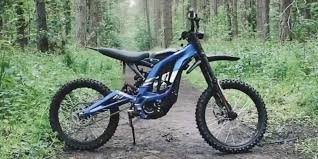
The Real-World Variables That Matter Most FOR E-BIKE RANGE
E-Bike Range isn’t just about the electronics — it’s also about how the whole riding experience works together.
Here are some real-world factors that can affect how far you can go:
Factor | How It Affects E-bike Range
————-|———————-
Rider Weight | Heavier riders use more energy to go the same speed.
Every 10 kg more can take away 3–5% of the e-bike range.
Terrain | Riding on hills or rough roads uses a lot more power than riding on flat roads.
Tire Pressure| If tires are not properly inflated, they create more resistance, which uses more power.
Assist Level | Using a higher level of assist or throttle uses the battery faster.
Temperature | Cold weather can make the battery work less efficiently, sometimes reducing range by up to 20%.
Wind Resistance | Riding against the wind, especially when going faster than 15 mph, makes the motor work harder.
Maintenance | If the drivetrain is dirty, the bearings are worn, or the brakes are not aligned, it uses more energy than needed.
Each of these things can either help you go farther or make you go shorter.
Knowing how they work can help you make better choices — like using lower assist when the road is flat, keeping your tires properly inflated, and riding smoothly instead of speeding up quickly.
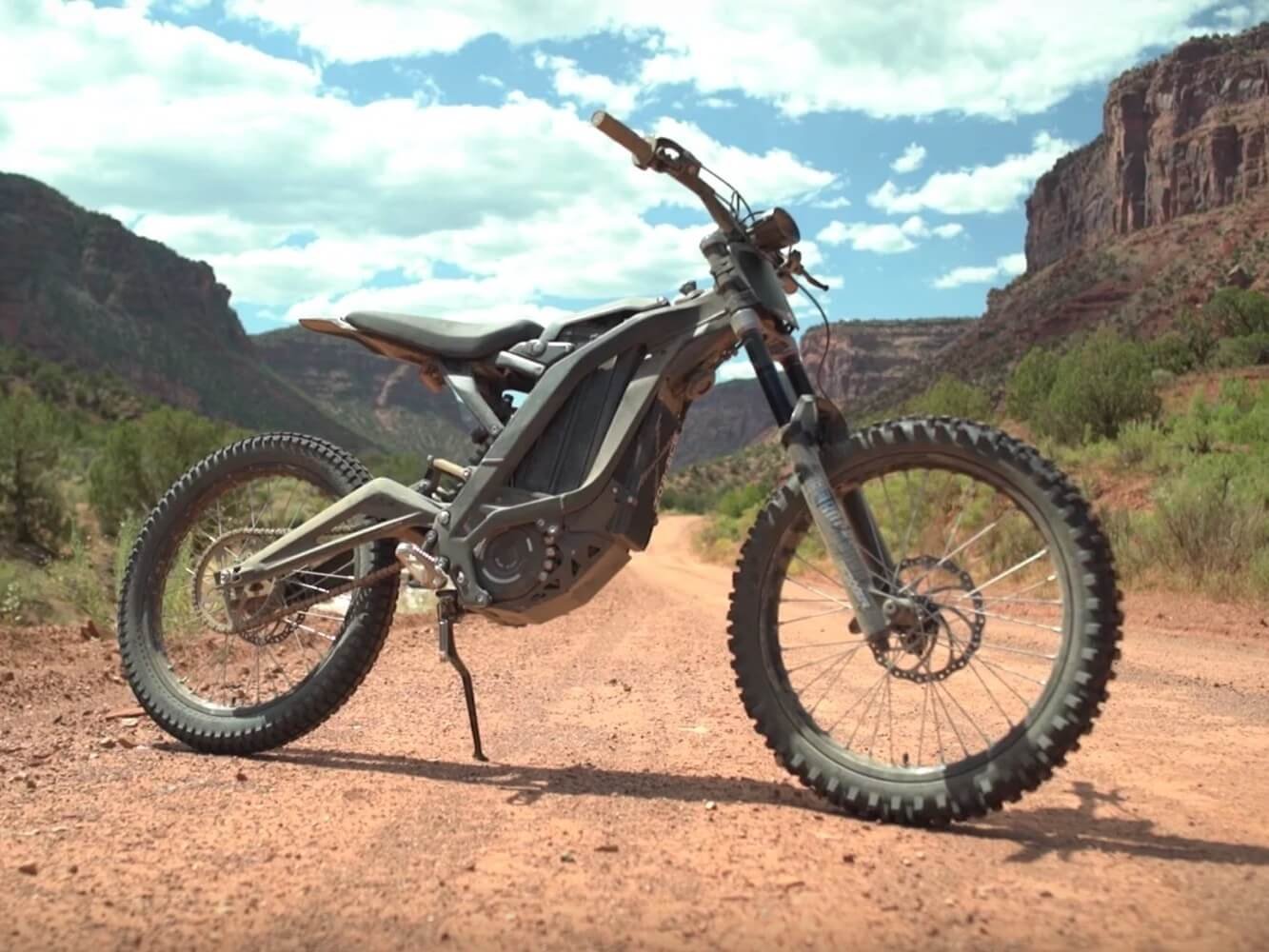
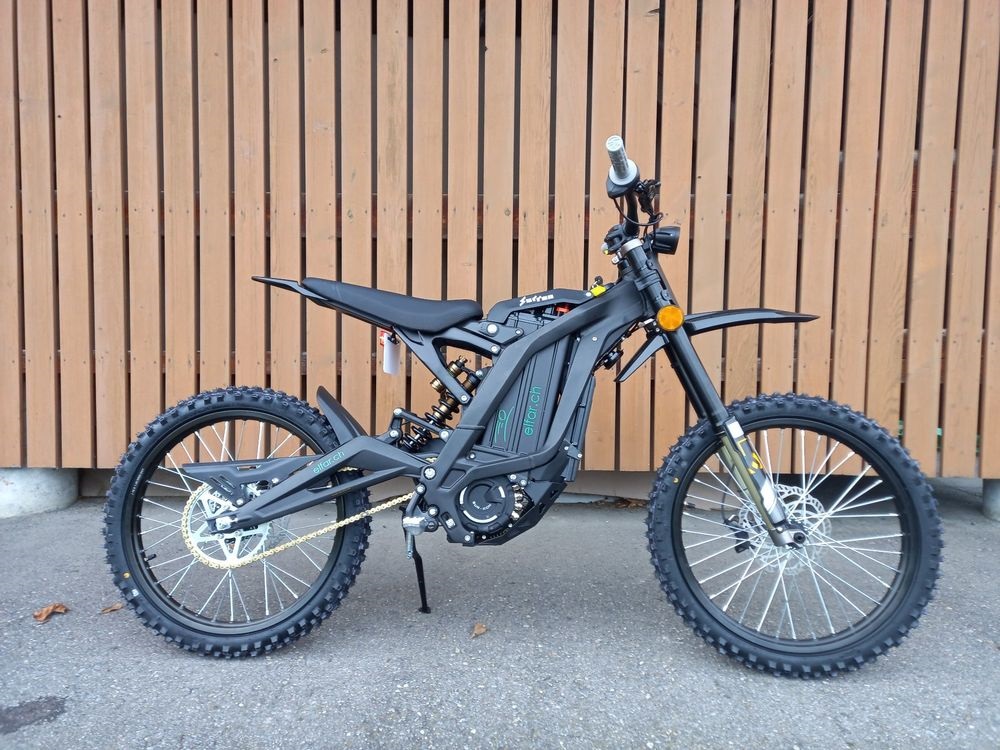
Pedal Assist vs. Throttle Range
The main thing that decides how far your e-bike range can go is how you use the motor.
Pedal Assist (PAS): The motor helps you as you pedal.
Because you’re using your own power, the battery doesn’t run down as fast.
Throttle Mode: The motor does all the work.
It makes it easy to start and go, but uses a lot more power.
Real-world tests show that using pedal assist can increase your range by 40–60% compared to using only the throttle.
For example, with a 500 Wh battery:
Pedal Assist Level 2 → 35–45 miles
Throttle Only → 20–25 miles
Many riders use a mix of both — using throttle for quick starts or steep hills, then switching to pedal assist for regular riding.
This helps with both comfort and efficiency.
The Idea of “Wh per Mile” Efficiency
Like cars use “miles per gallon (MPG)” to measure how well they use fuel, e-bikes use “watt-hours per mile (Wh/mi)” or “watt-hours per kilometer (Wh/km).”<
br>
The lower the number, the more efficient the bike is.<
br>
Efficiency Rating Typical Range Riding Style
10–15 Wh/mi Excellent Light assist, efficient riding
16–20 Wh/mi Average Normal city commuting
21–30 Wh/mi Heavy Frequent throttle or hills
If you know how much power your e-bike uses, you can get a better idea of how far it can go than any manufacturer’s estimate.
As time goes on, riders get a sense of their bike’s efficiency based on the type of terrain and how they ride.<br>
⚙️ The Human Factor: How You Ride Matters Most
Interestingly, the biggest factor in how far your e-bike can go isn’t something technical — it’s about how you ride.<
br>
Riding fast with full throttle or sudden starts uses up your battery quickly.
But riding smoothly, keeping a steady pace, and planning for stops can help you get 20–30% more range.<br>
Just like fuel-efficient drivers can get more miles from a tank of gas, efficient e-bike riders can make every watt-hour last longer.
The Key Takeaway
When someone asks, “What’s the range of this e-bike?” the most honest answer is, “It depends on you.”
Range isn’t a mystery — it’s a result of physics, design, and riding behavior. Understanding the core principles behind battery capacity, energy consumption, and real-world variables empowers you to predict your own e-bike range accurately.
So instead of chasing the biggest battery or the most optimistic marketing number, focus on efficiency, maintenance, and riding technique. That’s where the true potential of your electric bike lies.
The Core Factors That Affect E-Bike Range
If you’ve ever wondered why two people riding the same e-bike range can go different distances on a single charge, it’s because many things are working together. The distance you can go depends on more than just one number or one part of the bike. It’s how everything — the battery, motor, bike design, the weather, and how you ride — all fit together.
Let’s look at the main things that affect how far you can ride on an e-bike range.
Battery Capacity — Your Energy Tank
The battery is the most important part for how far you can go.
The amount of energy it can hold is measured in watt-hours (Wh). This tells you how much power your e-bike range can use.<br>
Think of watt-hours like the size of your tank:
A bigger number means you can go farther — if everything else is the same.<
br>
A smaller battery will run out faster, especially if you use a lot of power from the motor or throttle.<
br>
Here’s how different battery sizes compare:
Battery Size Average Range (Medium Assist)
36V 10Ah (360Wh) 20–30 miles
48V 15Ah (720Wh) 40–60 miles
52V 20Ah (1,040Wh) 60–90 miles
But it’s not only about how much energy the battery holds.
The quality of the battery also matters. High-quality batteries from brands like Samsung, LG, or Panasonic stay at a better voltage when you’re using them and don’t wear out as quickly. E-bike range This means they keep working well for a longer time.<br>
Some cheaper batteries might have the same number on paper, but they don’t last as long.
After just a few hundred times you charge and use them, they may not perform as well anymore.<br>
Tip: E-bike range A good lithium-ion battery can go through 500 to 800 full charges before it can only hold about 80% of its original power.
If you take care of it, it can last for years.
Motor Efficiency and Power Draw
The motor turns the electrical energy into movement, but not all motors do this the same way.<
There are two main types:
-Hub-drive motors are built into the wheel.
-They’re simple, cheap, and good for flat areas, but they can struggle on hills.
-Mid-drive motors are located near the pedals.
-They use the e-bike range, which helps the motor work more efficiently. Mid-drive motors are usually 15–25% more efficient, so they help you go farther for the same amount of power.
For example, a 500Wh battery with a mid-drive motor might let you ride 50 miles, while the same battery with a hub motor might only take you 40 miles under similar conditions.
-The power of the motor also affects E-bike range.
-A 250W motor uses less energy than a 750W or 1,000W motor. However, a bigger motor doesn’t use more power just because it’s bigger — it only uses more if you’re constantly pushing it to its full power.
Rider Weight and Cargo Load
Physics is something you can’t avoid — the heavier you and your load are, the more energy it takes to move.
For every extra 10 kilograms (22 pounds) you carry, your e-bike’s range will drop by about 3–5%.
This means a rider who weighs 60 kg (132 pounds) might be able to ride 50 miles on a single charge.
But if someone weighs 100 kg (220 pounds) and is carrying a backpack or groceries, they might only get around 35–40 miles.
That’s why many e-bike range estimates based on an “average rider weight” of 70–75 kg (155–165 pounds).
If you often carry heavy things, like using a cargo e-bike range for deliveries, you might want to go for a bigger battery (at least 700Wh) or even two batteries to make up for the extra energy needed.
Terrain and Elevation
The type of ground you’re riding on can greatly affect how far you can go.<
Flat, smooth roads are the best for efficiency.<
But when you’re going up hills or mountains, your battery gets used up much faster because climbing requires more power.<
Off-road surfaces like dirt, gravel, or sand also make it harder to ride because they increase the resistance and need more power to move forward.<
Think of your e-bike range like a runner.
On a treadmill (flat ground), it’s easy to keep a steady pace. But when there are hills, wind, or loose ground, the runner has to work much harder — just like your e-bike range motor.
Example:
If you ride on flat roads and your battery is 500Wh, you might get 45 miles.
But if you ride up hills, that same battery might only last 25–30 miles.
Mid-drive motors do better in hilly areas because they use the bike’s gears to help maintain efficiency.
Hub motors, on the other hand, might get hot or drain more quickly when you’re going up steep hills. E-bike range
Wind Resistance and Aerodynamics
Wind can really affect how far you can go on a single charge. Air resistance gets much stronger as you go faster. For example, going from 10 mph to 20 mph means you need four times as much power to push against the air. r>That’s why riding in turbo mode at 18–20 mph uses up battery life much faster than riding in eco mode at 12–14 mph.r Other things that affect aerodynamics include :Riding upright vs. leaning forward. Wide handlebars and bags that take up more space in front of the e-bike range Clothes that flap in the wind.r>You can’t control the we ather, e-bike range but you can change how you ride. Try to keep your speed steady, avoid sudden bursts of power, and follow other riders when there’s a strong headwind — as long as it’s safe.
Real-World Examples of E-Bike Range
You can spend all day reading about battery specs and formulas, but the numbers on a label don’t always show the real feel of riding. The best way to understand what e-bike range really means is to see how different types of e-bikes work in real life — by looking at how they perform when people ride them every day.
Whether you’re a city commuter or a mountain adventurer, the range can change a lot based on the bike’s design, the type of terrain, and how you ride.
Let’s look at how far different e-bikes actually go on a single charge.
Commuter E-Bikes: The Everyday Range Champions
If there is one type of e-bike that works well with speed, comfort, and efficiency, it’s the urban or commuter e-bike range.
These bikes are meant for daily use on flat roads and predictable paths, making them great examples of how energy is used in real-world riding.
Typical Setup:
Motor: 250–500W hub or mid-drive
Battery: 500–700Wh
Assist Levels: 3–5 modes (Eco to Turbo)
Rider Speed: 15–20 mph (25–32 km/h)
Real-World Data:
Eco Mode (PAS 1–2): 50–70 miles (80–110 km)
Normal Mode (PAS 3): 35–50 miles (55–80 km)
Turbo Mode (PAS 4–5 or Throttle): 25–35 miles (40–55 km)
Brands like Trek, Giant, and Rad Power Bikes often say they get 45–70 miles on a 500–700Wh battery — and most riders say these numbers are pretty accurate when they ride properly.
Example:
A 2024 RadCity 5 Plus (48V, 672Wh) tested in San Diego went:
58 miles on PAS 1
43 miles on PAS 3
29 miles on full throttle
This matches what the lab says, showing that urban e-bikes are pretty consistent in real life when they are well-maintained and used in a smart way.
Mountain and Off-Road E-Bikes: Power at a Price
Riding off-road brings new challenges like steep hills, rough trails, and constantly changing power needs.
Typical Setup:
Motor: 500–750W mid-drive (Bosch, Shimano, Bafang)
Battery: 500–750Wh
Terrain: Steep hills, dirt trails, rocky surfaces
Real-World Data:
Eco Mode (Trail): 35–45 miles (55–70 km)
Sport Mode: 25–35 miles (40–55 km)
Turbo Mode / Full Power: 15–25 miles (24–40 km)
The constant power surges needed for hills and rough ground use up the battery fast, especially if you use a lot of motor power.
Example:
A Specialized Turbo Levo Comp (700Wh battery) tested in Colorado’s foothills managed:
43 miles on Eco mode across rolling terrain
28 miles on Trail mode
18 miles on Turbo climbs
That’s around 25 Wh per mile, which is about twice what a commuter e-bike range uses — proving that the terrain is one of the biggest factors that affects how far an e-bike can go
Cargo E-Bikes: The Heavy-Duty Workhorses of the E-Bike World
Cargo e-bikes are built to carry things like groceries, children, or delivery packages.
They are not made for speed, but for carrying heavy loads. Because they are heavier and carry more weight, they need more power, which means they don’t go as far on a single charge.
Typical Setup:
– Motor: 500–750W mid-drive or dual-motor hub system – Battery: 700–1,000Wh (often two batteries)
Real-World Data:
– Light Load (Under 100 kg): 40–50 miles (64–80 km)
– Heavy Load (150+ kg): 25–35 miles (40–56 km)
– Full Load, Throttle Use: 18–25 miles (29–40 km)
Example:
A Yuba Spicy Curry V3 (750Wh battery, mid-drive motor) with a 90-kg rider and 30-kg cargo achieved:
– 42 miles on Eco mode
– 31 miles on Normal assist
– 22 miles on Turbo assist
If you add 25 kg of groceries or another passenger, the range drops to 28 miles.
So, cargo e-bike range focus on being stable and strong rather than going far.
But many newer models include dual batteries that can extend range up to 80–100 miles when carrying moderate loads.
Folding and Compact E-Bikes: Easy to Carry, But With Limits.
Folding e-bikes are a good choice for city folks and people who need to store their bikes in small spaces or use public transport.
They are smaller and lighter, which makes them easier to handle, but they also have smaller batteries because of the space.
Typical Setup:
– Motor: 250–350W hub motor
– Battery: 250–400Wh
– Wheel Size: 16–20 inches
Real-World Data:
– Eco Mode: 25–35 miles (40–56 km)
– Normal Mode: 18–25 miles (29–40 km)
– Throttle Only: 12–18 miles (19–29 km)
Example:
The Brompton Electric C Line (300Wh battery, 250W hub motor) averages:
– 32 miles on Eco
– 22 miles on Normal
– 15 miles on Sport
That’s not a lot of range, but it’s enough for getting around in the city.
Many riders recharge their bikes at work, so the limited range doesn’t matter much.
Touring and Long-Distance E-Bikes: Made for Taking Long Journeys
For people who love adventure and long rides, touring e-bike range are designed to last all day.
They often have big or two batteries, good gear systems, and comfortable frames.
Typical Setup:
– Motor: 250–500W mid-drive
– Battery: 700–1,200Wh (can have two batteries)
– Assist Strategy: Can be adjusted based on the situation
Real-World Data:
– Eco Mode: 80–120 miles (130–190 km)
– Normal Mode: 60–80 miles (95–130 km)
– Turbo Mode: 40–60 miles (64–95 km)
Realistic Ways to Extend Your E-Bike’s Range
How Far Can an Electric Bike Go on One Charge? | A Full Guide to E-Bike Range and Battery Life
No matter how good your motor or battery is, all e-bike range riders want to get the most distance out of a single charge.
The best part is, range isn’t set in stone — it can change based on how you ride, take care of your e-bike range, and use power. By making smart choices, you can often add 20 to 40% more miles without buying new parts.
Here are the best, proven ways to make your e-bike go farther.
Use the Right Pedal-Assist Setting
Pedal-assist (PAS) lets you control how much power the motor gives you.
Each setting gives a different mix of effort and energy use.
Use lower settings whenever you can.
Level 1 or 2 gives enough help for flat roads and uses 30 to 50% less power than the highest setting.
Leave higher settings for hills or when you’re going against the wind.
This way, you don’t waste power on flat areas.
Avoid “assist creep,” which is when you keep the help on high without realizing.
It feels good but makes your battery die faster.
Tip: If your bike has an auto or smart assist mode, try it out.
These systems adjust the motor based on how hard you pedal, e-bike range saving power when you’re not pushing hard.
2. Ride Smoothly and Predictably
Every quick burst of speed uses a lot of current from your battery. Over a whole ride, these bursts can take 15% of your total range. To help save battery :Start your ride slowly — use gentle pressure on the pedals instead of jumping straight into high speed. Pedal at a steady pace, around 70 to 90 revolutions per minute. Motors work best when you’re not going too fast or too slow .r>Think ahead when you see traffic lights or turns — start slowing down earlier instead of waiting until you have to brake suddenly .r>Think of your battery like a bank. Every time you speed up, you take out money. The smoother you ride, the more money you keep. E-bike range
3. Keep Your Tires Properly Inflated Low tire pressure is one of the biggest, easiest reasons your e-bike doesn’t go as far as it should. When tires are underinflated, they flex more, which makes it harder to roll. This means the motor has to work harder.>Check your tire pressure once a week or before a long ride. E-bike range Make sure it’s in the range the manufacturer recommends — usually printed on the side of the tire.>If you ride on smooth roads, keep the pressure high. For rougher trails, go a little lower for more comfort, but it won’t cause much loss in range.
Take Care of Your Battery
Your battery is really important because it affects how far you can go.
How you charge, store, and keep it at the right temperature can really help it last longer over time.
Best Practices:
Try not to let the battery run out completely.
It’s better to recharge it when it’s around 30–40% full, not when it’s empty.
Don’t always charge it all the way to 100%.
For regular use, charging up to 80–90% is better for the battery’s life. Save charging to full for longer trips.
Keep your battery in a temperature range of 10°C to 30°C (50°F to 86°F).
If it’s too hot or too cold, it won’t work as well and will wear out faster.
If you’re not using your e-bike for a few weeks, store the battery at about half charge.
Bonus Tip: Some good chargers have “storage” or “eco” settings — use these whenever you can to slow down the chemical wear on the battery.
Keep Your Drivetrain Clean and Lubricated
If your drivetrain (chain, cassette, derailleur) is dirty, it makes things harder to move. T
he motor has to work harder to go the same speed. Quick Maintenance Routine :Wipe your chain with a dry cloth after a few rides. r>Deep clean and re-lubricate it once a week or after riding in the rain .r>Change your chain when it gets stretched — old chains use more energy and aren’t as efficient.>A clean drivetrain can improve your mechanical efficiency by 2–5%, which means you can go further on a single charger>
7. Adjust to Wind and Terrain Smartly You can’t change the wind or the hills, but you can change how you ride them.>Facing headwinds: Ride a little slower (even 2–3 mph less can save 10–15% battery). Use a mid-assist level and keep a steady pace.>On tailwinds or downhill: Lower the assist to eco mode or turn it off. Let gravity help you move.>For hills: Shift to lower gears early. Let the motor work efficiently instead of overworking.>When you do this, your motor runs smoother and more efficiently — with less strain and more power.
Table of Contents
Toggle