
What to choose?
Electric mountain bike vs electric road bike Review
If you care most about riding on trails, feeling comfortable on rough paths, having good control on tricky terrain, and using your bike all year round, pick an e-MTB. Keep in mind that these bikes usually cost more to run and are heavier.
If you mainly ride on smooth roads, want to go fast and ride efficiently, and prefer a lighter, easier-to-handle bike for longer rides at a lower cost, choose an e-road bike.
If your Electric mountain bike vs electric road bike
ride half on trails and half on roads, a gravel-style e-bike or a light-trail e-MTB with tyres that roll smoothly on both surfaces can work well for you.
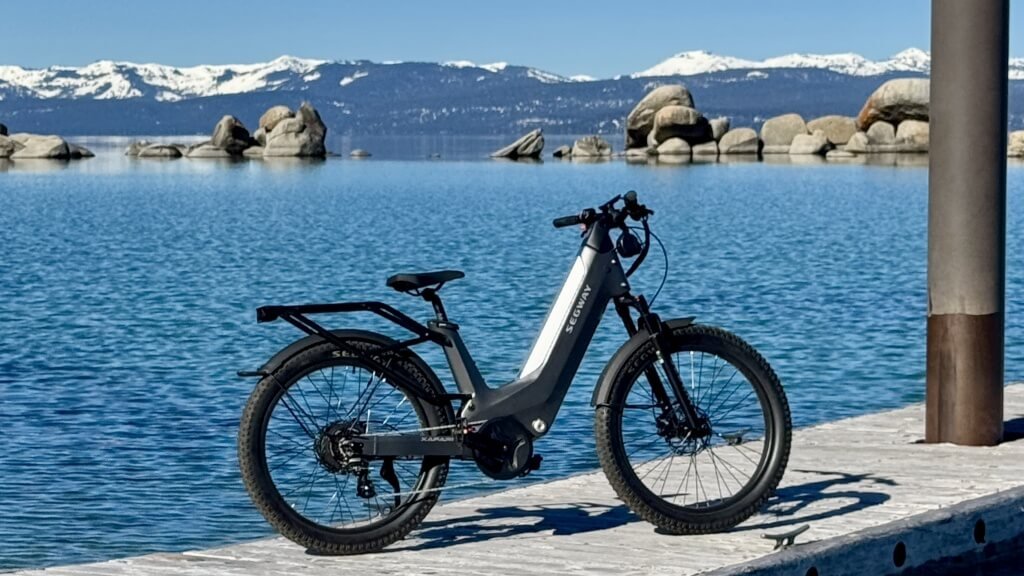
The Core Question: What challenge Are You Solving?
Before looking at features, think about the main task you want to do.
Ask yourself:
Where will you ride mostly?
If you mainly ride on paved roads and cycle paths, then an e-road bike is a good choice.
If you ride on fire roads, trails, rocky climbs, and rooty descents, then an e-MTB is the better option.
How far and how often do you ride?
Longer rides benefit from energy efficiency and low rolling resistance, which e-road bikes offer.
Shorter, more technical rides where traction and control are important are better suited for e-MTBs.
How fit are you and what are your goals? because Electric mountain bike vs electric road bike are the best
If you want to improve your speed or endurance, an e-road bike’s geometry helps with sustained efforts.
If you want more confidence on rough terrain or are coming back from an injury, an e-MTB’s suspension, tyres, and brakes give you more room for mistakes.
How much maintenance do you like doing?
e-MTBs can wear out tyres, chains, cassettes, and brake pads faster—especially on wet or gritty trails.
e-road components usually last longer than Electric mountain bike vs electric road bike
per mile on clean tarmac.
Geometry & Handling: Stability vs effectiveness
The way a bike is shaped affects how it feels when you ride:
e-MTB geometry: slacker head angles, longer reach, shorter stems, wider bars.
Advantages: More stable at high speeds off-road, easier to lift the front wheel over obstacles, better control on descents.
Disadvantages: Slower steering on tarmac, more drag from your position and tyres, heavier feel when climbing.
e-road geometry: steeper head angles, longer stems, narrower bars, lower stack.
Advantages: Better handling, aerodynamic position, efficient power transfer, quick acceleration on the road.
Disadvantages: Less forgiving over potholes or cobblestones; some riders find the position uncomfortable; not much space for very wide tyres.
Verdict: If your rides include technical surfaces or you like upright stability, e-MTB geometry is friendlier.
For fast, smooth rides, e-road geometry saves energy.
Motors & Power Delivery
Most bikes with motors fall into two main types:
Mid-drive systems (e.g., Bosch, Shimano, Brose, Bafang): provide torque at the cranks, work well with your gears, and are great for steep climbs.
Hub-drives: simpler, often cheaper and lighter, common on commuter-style e-road or flat-bar road bikes.
How they work differently:
e-MTB motors: focus on torque and quick response at low cadence for steep, technical climbs.
e-road motors: usually designed for smooth help at higher cadence, supporting fast cruising and long distance.
Power limits depend on local laws (e.g., 250 W is common in the EU/UK with speed limits on assistance).
On the road, the assistance stops at a certain speed (e.g., 25 km/h in the EU/UK), which you feel more. On trails, you tend to go slower, so you can stay in the assistance range longer.
The battery's range, real-world efficiency and capacity are evaluated.
The range you get from an e-bike depends on several factors like the type of terrain you’re riding on, your weight, the kind of tyres you use, wind conditions, temperature, and how much assistance you’re using.
Here are some general trends:
E-MTBs usually have bigger batteries, like 600–750 Wh, because they need extra power to handle steep climbs and the rolling resistance from their wide, knobby tyres.
E-road bikes often use smaller batteries, around 250–500 Wh, because the resistance from the road and the air is lower when you’re riding at slower speeds.
We created a simple cost and energy model to help you understand the costs better.
Here are our assumptions:
Energy use: E-MTB uses about 12 Wh per kilometre, while e-road uses about 8 Wh per kilometre.
This is because of the different tyres (knobbly vs. slick), the added weight from suspension, and the riding posture.
Electricity cost: £0.30 per kilowatt-hour.
upkeep cost: E-MTB is about £0.07 per kilometre, and e-road is around £0.05 per kilometre.
Battery replacement cost: £125 per year.
That’s about £500 to replace the battery every four years.
Chart 1 — Estimated total annual running cost vs weekly distance
Shown above.
You’ll see that the e-MTB cost line is higher because of the extra energy needed and tyre wear. At 100 miles per week, the difference in cost becomes quite noticeable.
Chart 2 — Estimated annual energy use vs weekly distance
Also shown above.
As you ride more miles each week, the e-MTB uses more energy because of the resistance from the tyres and the suspension system.
You can download and use the dataset: Download the CSV.
Takeaway: If you ride a lot on paved roads, the e-road bike’s efficiency adds up each week.
For technical trails, the extra cost of an e-MTB is worth it for better terrain handling and control.
Tyres, Wheels & Brakes
e-MTB
Tyres: 2.3″–2.6″ with aggressive treads; lower pressure for better grip; tubeless is highly recommended.
Wheels: 29″ front and rear or mixed “mullet” setup (29″ front, 27.5″ rear) for better handling.
Brakes: 4-piston calipers with 180–203 mm rotors for better heat management and braking power.
e-road
Tyres: 28–35 mm slicks or light tread tyres; tubeless is becoming more popular; higher pressures but still comfortable on rough roads.
Wheels: 700c with wider internal rim widths for better stability and to fit wider tyres; aero performance is important at higher speeds.
Brakes: 2-piston calipers with 140–160 mm rotors; lighter and sufficient for road use.
Implication: Electric mountain bike vs electric road bike
Tyres can change the feel of the ride completely.
If you’re unsure, using an all-road or gravel tyre like 35–45 mm with light tread on a good frame can give you surprising versatility.
Suspension & Comfort
For e-MTBs, front suspension (120–170 mm) and sometimes rear suspension (trail/enduro) help you control the Electric mountain bike vs electric road bike
better and feel less tired when riding on rough terrain.
Features like lockouts and adjustable damping make it easier to climb and ride on smoother sections.
For e-road bikes, the frame is usually stiff, but some Electric mountain bike vs electric road bikes
have small suspension features like flexible stays, seatposts, or rubber parts.
Wider tyres with slightly lower pressure can make the ride more comfortable without adding too much weight.
A general rule for comfort for Electric mountain bike vs electric road bike
: If your roads are broken or you feel discomfort in your back or hands, adding suspension or wider tyres might be worth the extra weight and effort.
Weight & Carrying ( e-MTB or E-RB)
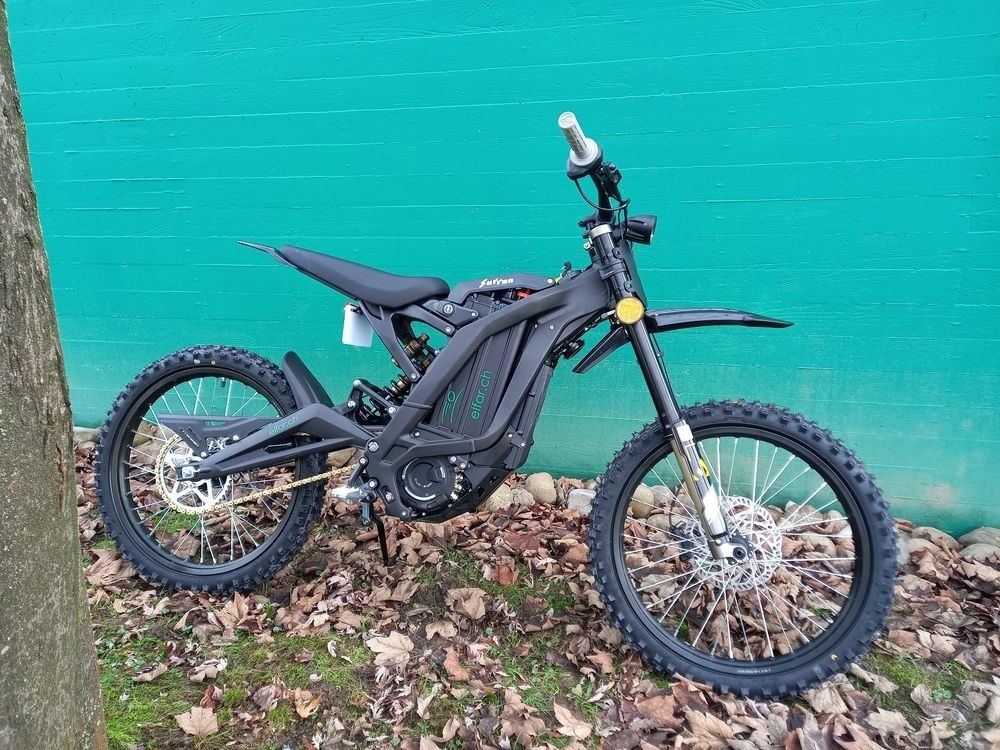
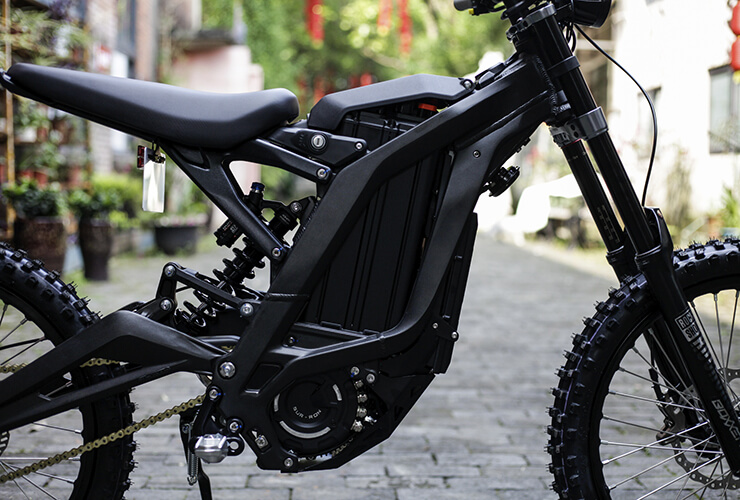
e-MTBs usually weigh between 21–25 kg, including full suspension and larger batteries, better Electric mountain bike vs electric road bike
.
e-road bikes are lighter, often weighing between 12–18 kg, depending on the motor, battery size, and frame design.
Heavier bikes are harder to carry up stairs or store on wall racks.
If you often need to carry your bike, consider the total weight and where you can lift it.
Drivetrain & Gearing
e-MTBs use wide-range cassettes (like 10–50/52T), have chain retention features, and sometimes include clutched derailleurs.
e-road bikes have closer gear ratios and higher top gears that help you pedal smoothly at higher speeds.
Some e-road bikes use a single chainring setup for simplicity, while others use two chainrings for more gear options.
Maintenance tip: Off-road dirt can wear out your chain and cassette faster.
Wet weather can make this worse. It’s important to clean your e-MTB regularly.
Legal & Regulatory Considerations
Speed limits and power limits for electric assistance vary depending on where you live.
e-MTBs might have restrictions on certain trails or paths that don’t allow powered bikes.
e-road bikes are usually treated like regular commuter bikes, but speed-pedelecs (which go faster) might need registration, helmets, insurance, or a license for Electric mountain bike vs electric road bike
.
If you sell your bike in different countries, make sure to include a clear page explaining the rules for each region and link it from this article.
Reliability, Service & Spares
For e-MTBs, brands that use Bosch, Shimano, or Brose tend to have good service support and tools for diagnosing issues.
For e-road bikes, check if the motor and battery are supported by service centers.
Some basic systems are made by specific brands and have fewer service options.
Best practices for owners:
Update firmware regularly (many mid-drive systems can be updated through dealer tools).
Keep track of battery charge cycles and how you charge your bike.
Clean and lubricate the drivetrain when it starts making noise or after riding in the rain.
Check brake pads and rotors monthly for either Electric mountain bike vs electric road bike
, and inspect tyre sealant if you ride often.
Running Costs: What Wears Out Faster?
e-MTBs:
High wear items include rear tyres, brake pads, chains, and derailleur pulleys.
Wear can increase during wet mud or when riding in parks, which can use up pads and tyres quickly.
e-road bikes:
Moderate wear includes chains and cassettes, which last longer per mile.
Tyres wear more evenly and are less likely to get punctured when riding on good roads.
Consumables like brake pads and rotors are replaced less often compared to aggressive trail riding.
Aerodynamics & Speed fact
When you go above the assist limit, like 25 km/h, aerodynamics become the main factor.
E-road bikes can keep going faster with less effort because of the rider’s posture, narrow tires, and sometimes aero frames and wheels. On flat roads with wind, it feels like you’re moving without much effort. On e-MTBs, the upright riding position and wider tires create more resistance, so once the motor stops helping, the bike slows down much more quickly.
If you often go past the assist limit, you’ll see the benefits of e-road bikes every day.
Safety & Control
Traction: Knobby tires on e-MTBs provide better grip on rough surfaces, while road tires can slide on wet leaves or gravel.
Braking: E-MTBs have larger rotors and pads that won’t fade as quickly during long downhill rides.
Visibility: Many e-road and commuter bikes have built-in lights, mudguards, and racks.
You can add these to an e-MTB if you ride to work.
For riding in different weather or at night, make sure you have good lights and reflective gear, no matter which bike you choose.
Use-Case forerunner (Who Should Buy What?)
Urban Commuter (mostly tarmac, 5–20 km each way)
Choose an e-road or flat-bar road/fitness e-bike with 32–38 mm tires, and include mounts for mudguards and racks.
Fitness & Gran Fondo Rider (long rides, pace matters)
Opt for an e-road with endurance geometry, dual water bottle mounts, and maybe a range extender.
Trail Explorer (green/blue/red trail grades, fire roads)
Go for an e-MTB hardtail or a short-travel full-suspension bike with 2.4–2.6 inch tires and 4-piston brakes.
Adventure & Bikepacking (gravel, farm lanes, B-roads)
Choose a gravel e-bike or a light-trail e-MTB with fast-rolling tires, and include mounts for bags and dynamo-style lights if possible.
Rehab/Returning Rider (confidence focus)
Pick an e-MTB for stability, good traction, and support at lower speeds.
Or go for endurance-geometry e-road if you stick to smooth roads.
Accessories That modify Everything
For e-MTB: Use a tubeless setup, protective frame tape, a bash guard, proper pedals and shoes, a suspension pump, a quick-link and chain tool, and strong lights for the woods.
For e-road: Get a good pump and gauge, puncture-resistant tubeless tires, mudguards, a compact tool kit, daylight-visible lights, and a computer that estimates your range.
safeguard, Storage & Transport
The weight and wheelbase of the bike affect how easily you can carry it or store it in a car.
Invest in a lock rated by Sold Secure (or equivalent in your region) and register your bike’s serial numbers.
When not in use for weeks, store batteries at 40–60% charge.
Keep them cool and dry.
Sustainability Angle
Both types of e-bikes replace car trips, and the cleanest watt is the one you don’t use.
E-road bikes usually use fewer watt-hours per kilometer than e-MTBs on tarmac.
E-MTBs can help people access nature and stay active who might not otherwise ride, which is a social benefit.
To make your e-bike last longer, maintain and repair it, and choose brands with recyclable batteries and available spare parts.

Resale Value study
Popular motors and standard battery sizes usually sell better.
E-road frames that offer plenty of tyre space and mudguard mounts can attract more buyers.
E-MTBs with moderate travel (120–150 mm) and up-to-date frame shapes keep their value better than special machines made only for parks.
Decision Matrix (Quick Self-Test)
Rate each point from 1 to 5 (5 = very important to you):
Ride rough trails often → e-MTB +5
Go fast on smooth roads → e-road +5
Care about yearly costs → e-road +4
Need confidence and control on loose surfaces → e-MTB +4
Often hit the assist cut-off → e-road +4
Drive on bumpy city streets → either: e-road with 35–38 mm tyres, or e-MTB hardtail
Take the bike upstairs or onto racks often → e-road +3
Want one bike for all purposes → gravel e-bike or down-country e-MTB with semi-slicks
The bike with the highest score is your best starting point.
Consumer Checklist (Copy/Paste for Store Visits)
Fit and comfort: reach and stack, handlebar position, test ride posture.
Motor and support: power, noise, cut-off response, dealer service.
Battery: capacity, whether it’s easy to remove, range extender options, and how easy to replace.
Brakes: rotor size, pad type, and whether spares are available.
Tyres: width, whether they’re tubeless-ready, and whether they fit bigger tyres or guards.
Mounts: bottle holders, racks, guards, lights, and top-tube bags.
Weight: lift the bike, try carrying it up stairs.
Warranty and firmware: battery/motor support, and how updates work.
Security: locking points, tracker compatibility, and serial number documentation.
Real- life Scenarios (Which Bike Wins?)
Weekly 120 km city and rural rides, mostly smooth roads → e-road wins (speed and energy efficiency).
Twice a week trail center laps and weekend bridleway rides → e-MTB wins (grip and control).
Bumpy city streets and canal paths, with some light gravel → flat-bar endurance e-road or gravel e-bike.
Hilly town with short, steep climbs and mixed surfaces → e-MTB hardtail with fast-rolling tyres.
Tuning a Middle-Ground assemble
If you want one bike that can handle most things well:
Start with a gravel e-bike or an e-MTB with short travel.
Use semi-slick tyres 2.2–2.3” wide (or 38–45 mm for gravel) to reduce drag on roads while keeping traction.
If you can afford it, get a second wheelset: one with slicks for road days, one with knobbies for trails.
Consider a suspension seatpost for comfort on mixed terrain.
Q: Can I ride an e-MTB on the road without any problems?
Yes, many people do.
You can expect slower top speeds and more wear on the bike. If you ride mostly on roads, you might want to use faster tires at medium pressure.
Q: Can an e-road bike handle gravel paths?
Yes, for light gravel and canal paths—especially if you use 35–40 mm tires.
If you’re going on rough, rocky, or root-filled trails, you’ll probably want an e-MTB.
Q: How big should my battery be?
Choose a battery that can get you through your longest ride in your usual assist mode, with about 20–30% extra power left.
If you often ride up steep hills, go for a bigger battery.
Q: What about speed-pedelecs?
They provide higher assistance speeds, but they might need registration, special helmets, insurance, or a license, depending on where you live.
Q: Should I use tubeless tires or tubes?
Tubeless tires help prevent punctures and let you run lower pressures for better comfort and grip.
Most performance setups now use tubeless as the standard.
Putting It All Together (Editorial Conclusion)
If your dream of e-cycling is about going fast, riding long, and staying smooth, an e-road bike lets you cover more ground with less effort—your money and battery will both be happy.
If your idea of cycling is adventure, with roots, rocks, and tough climbs, an e-MTB makes the tough terrain feel like nothing and turns tricky parts into fun challenges.
A lot of riders end up with a mix of both: a gravel-focused e-road bike with enough clearance, or a light-trail e-MTB with semi-slick tires.
No matter which path you take, focus on how well the bike fits you, how easy it is to get service locally, and how available the parts are—they’re more important in the long run than any single number on the spec sheet.
Table of Contents
Toggle